
Commercial Roofing Systems and Services in Troy
The City of Troy's own business brochure counts about 20 million square feet of office and engineering space, 14 million of industrial and 7 million of retail. Nearly all of it sits under flat or low-slope roofs. Here is what goes on those roofs, and what usually goes wrong with them.
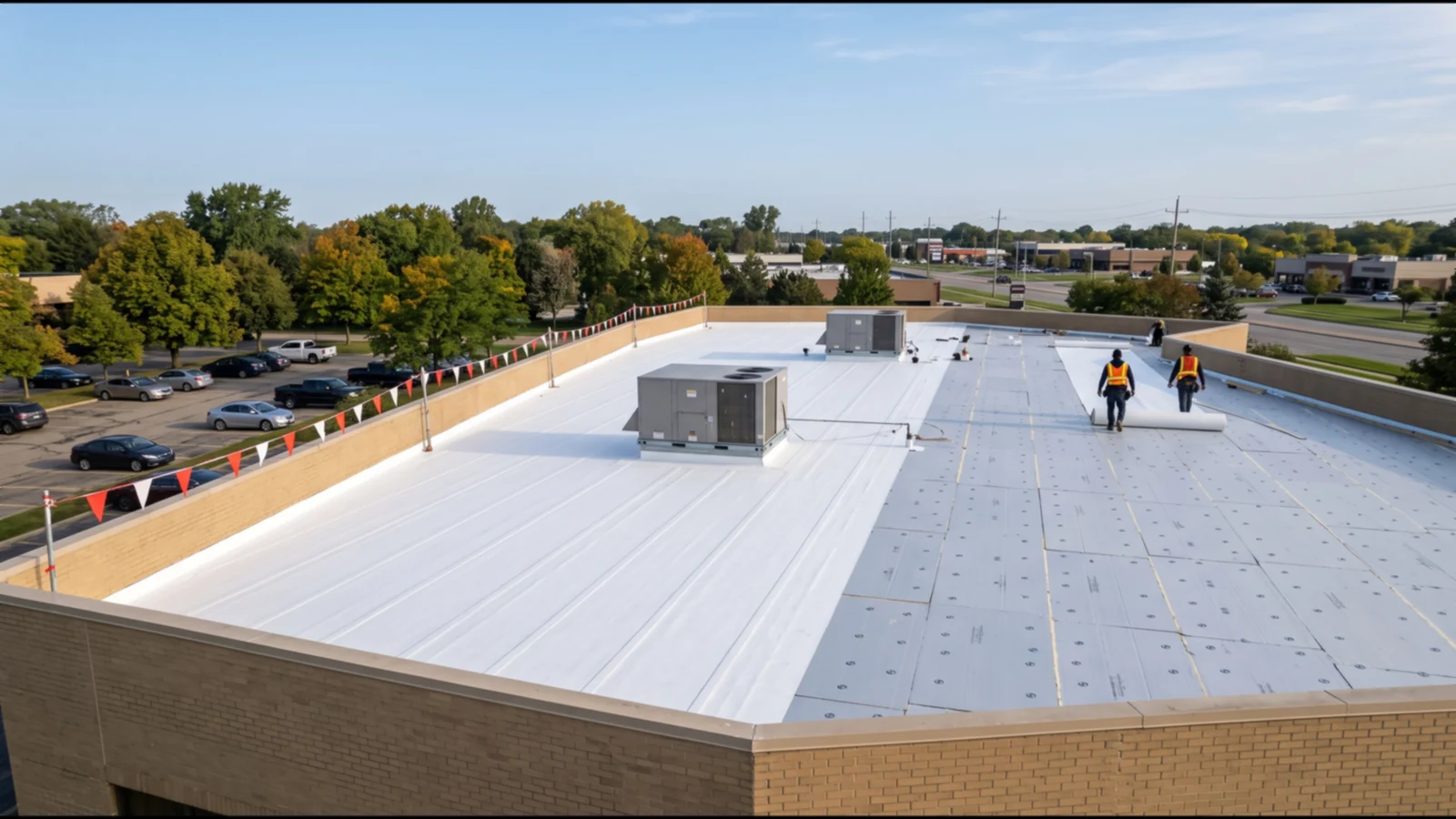
Commercial Roof Replacement and Re-Roofing
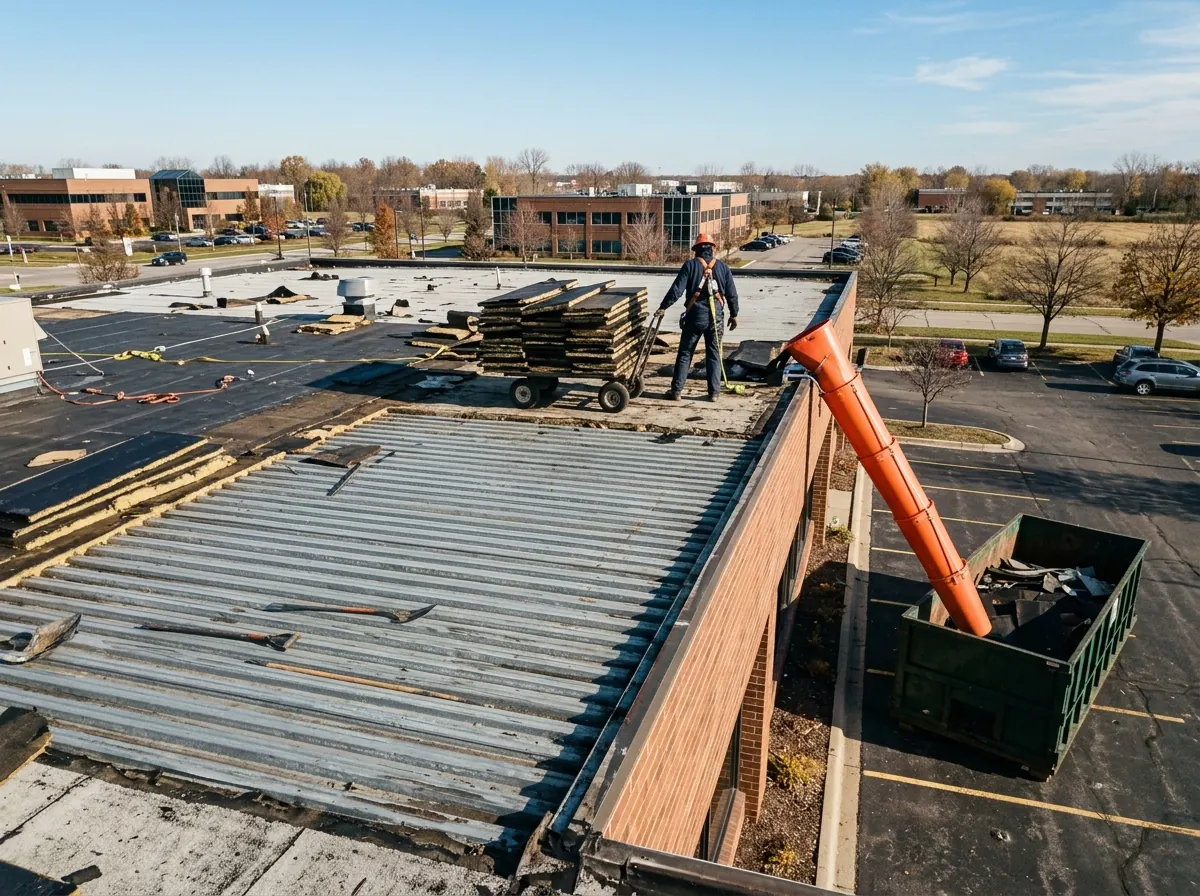
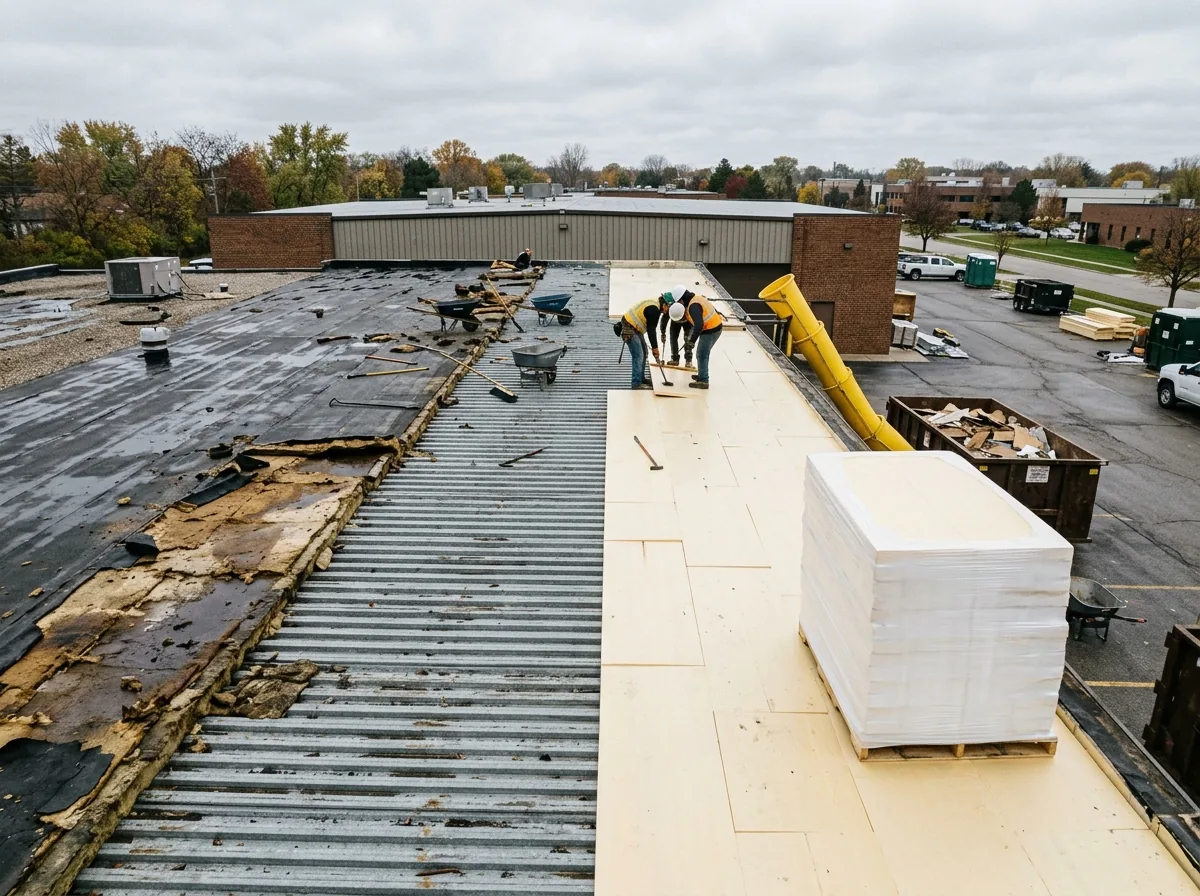
A replacement, in code terms, removes every layer down to the deck. A recover lays a new roof over the old one, and the building code allows that only when the existing roof is dry and sound and has fewer than two coverings already on it. Wet insulation or a second layer means a full tear-off.
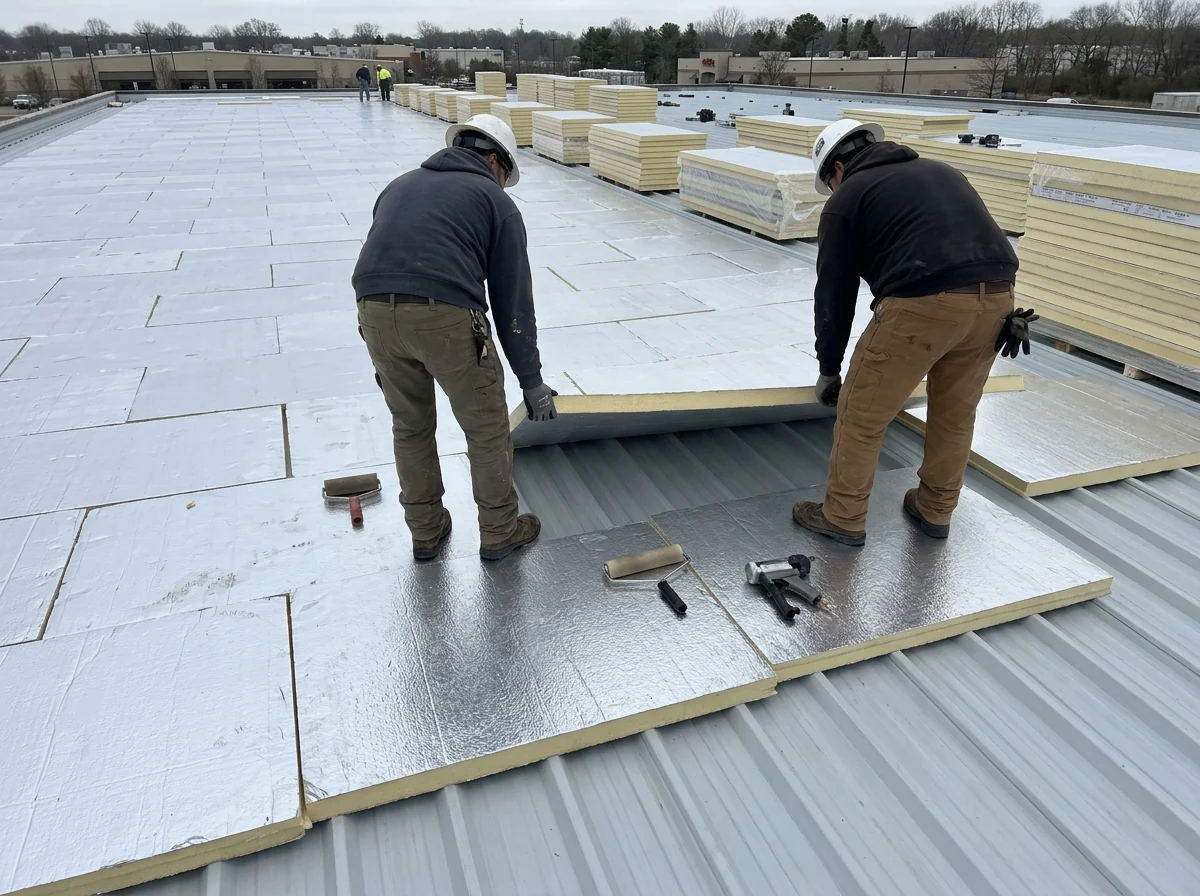
Tear-off also brings the energy code into play. When a roof with insulation above the deck is replaced, the new roof has to meet current insulation levels, and the model 2021 code asks for R-30 continuous insulation above the deck in climate zone 5A, which takes in Oakland County. A recover is exempt. While the deck is open, tapered insulation can go in to pitch water toward the drains.
See Commercial Roof Replacement in Troy, MI and Commercial Roof Insulation in Troy, MI.
Commercial Roof Repair and Leak Repair
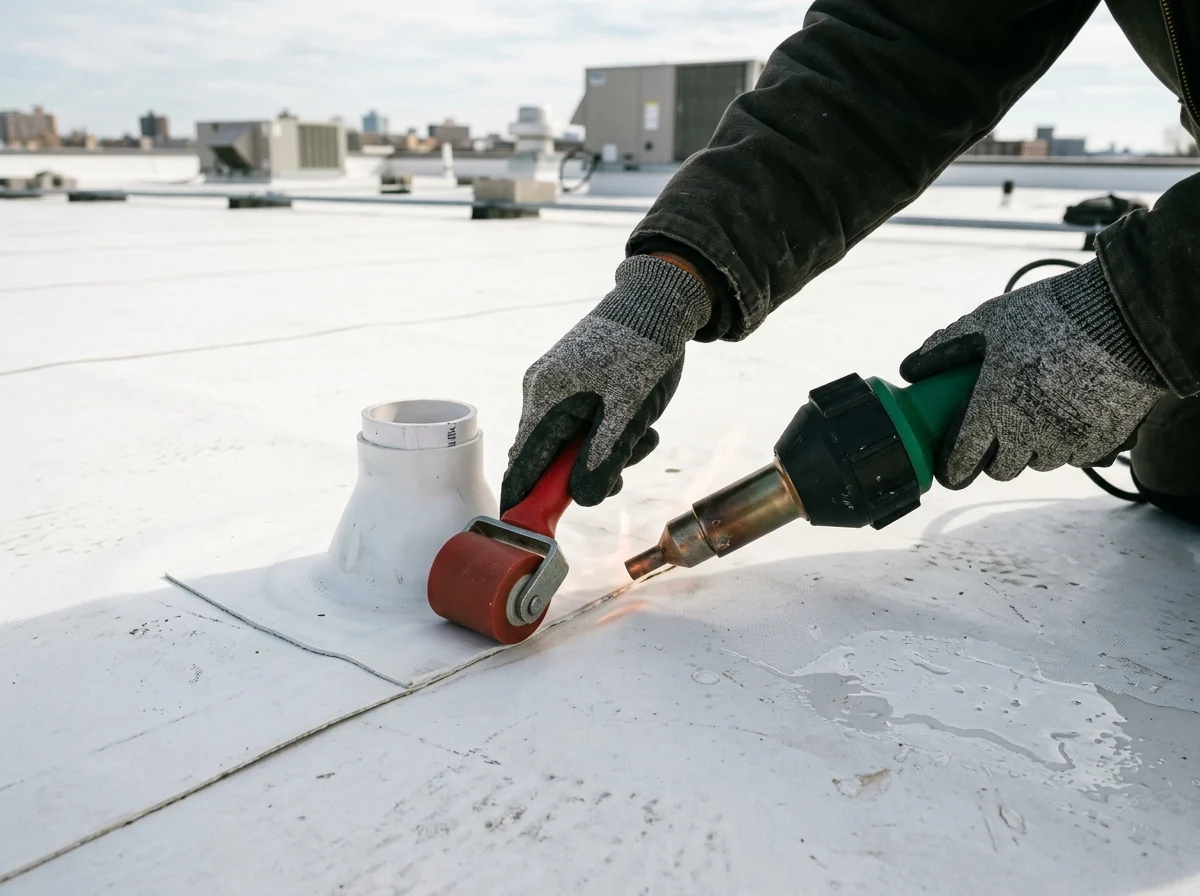
Flat roofs rarely leak in the middle of a sheet. Water gets in at laps and seams, around pipe boots and curbs, at the base of parapet walls and at drains, then travels along the deck before it shows up as a ceiling stain thirty feet away. A good repair starts by tracing the path back to the entry point, not by patching above the stain.
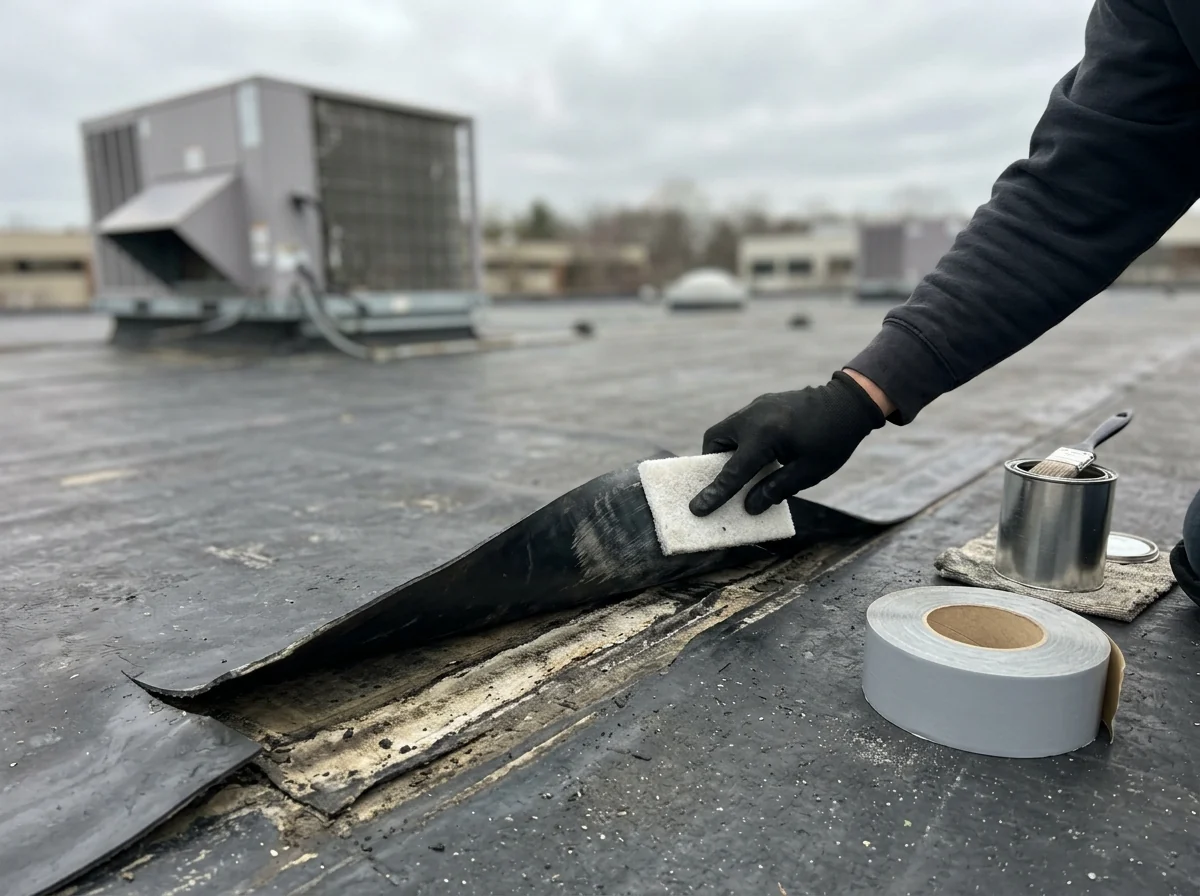
Single-ply seams on TPO and PVC are re-welded with hot air; EPDM laps are cleaned, primed and re-taped. Blisters, splits and punctures from foot traffic around rooftop units get cut out and covered. When the same section keeps failing, the honest answer may be replacing that section rather than patching it a fifth time.
See Commercial Roof Repair in Troy, MI and Roof Leak Detection in Troy, MI.
TPO Roofing
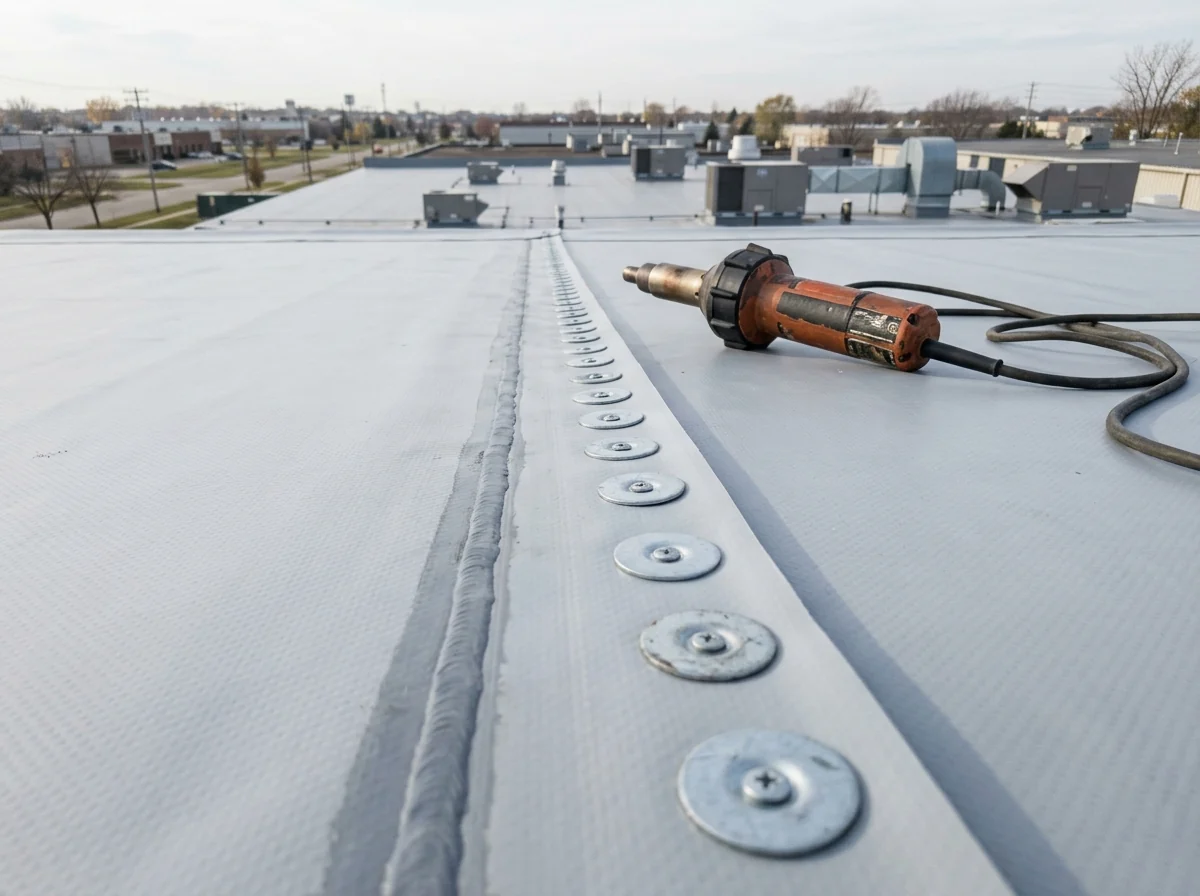
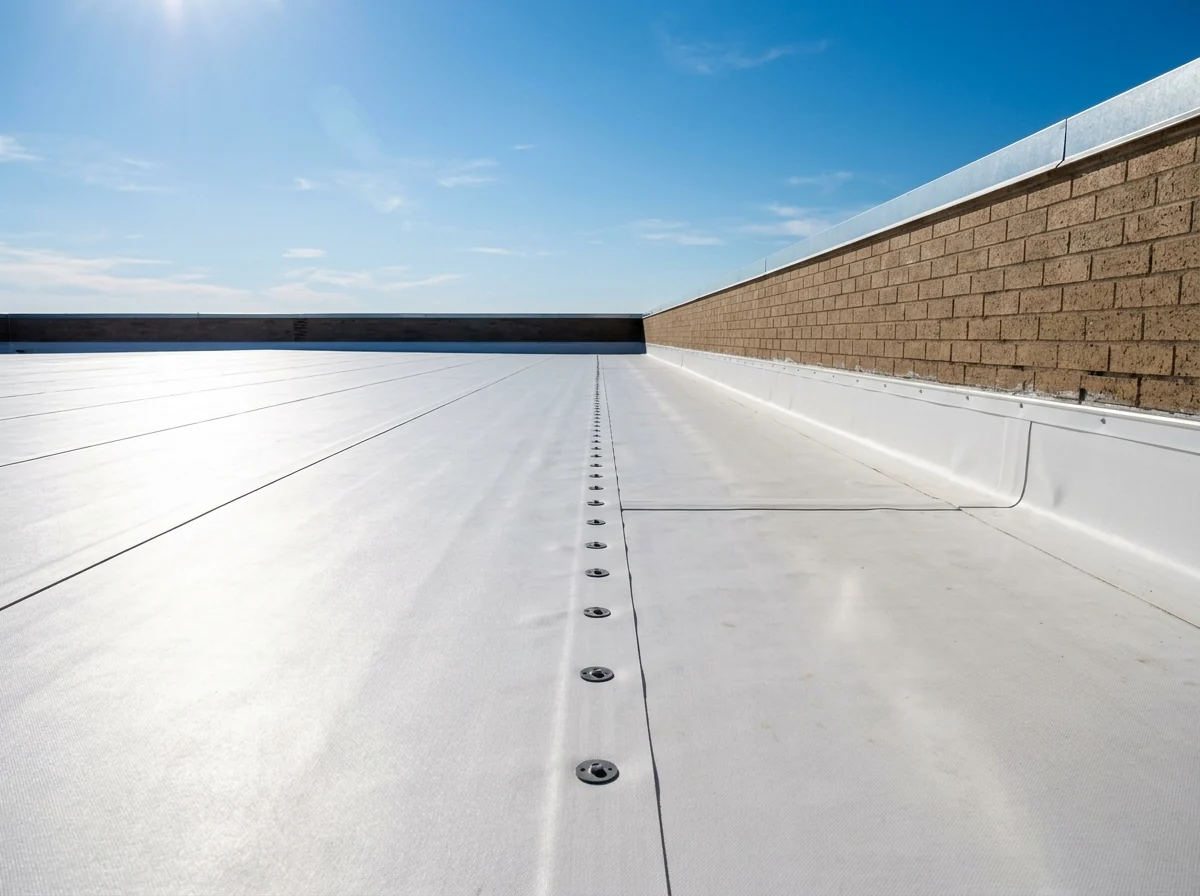
TPO (thermoplastic polyolefin) is the white single-ply sheet you see on most new office and retail roofs. One major maker's TPO line comes in 45, 60 and 80 mil, and the seams are fused with a hot-air welder, so the lap becomes one piece of plastic rather than a glued joint. It's made to the ASTM D6878 standard.
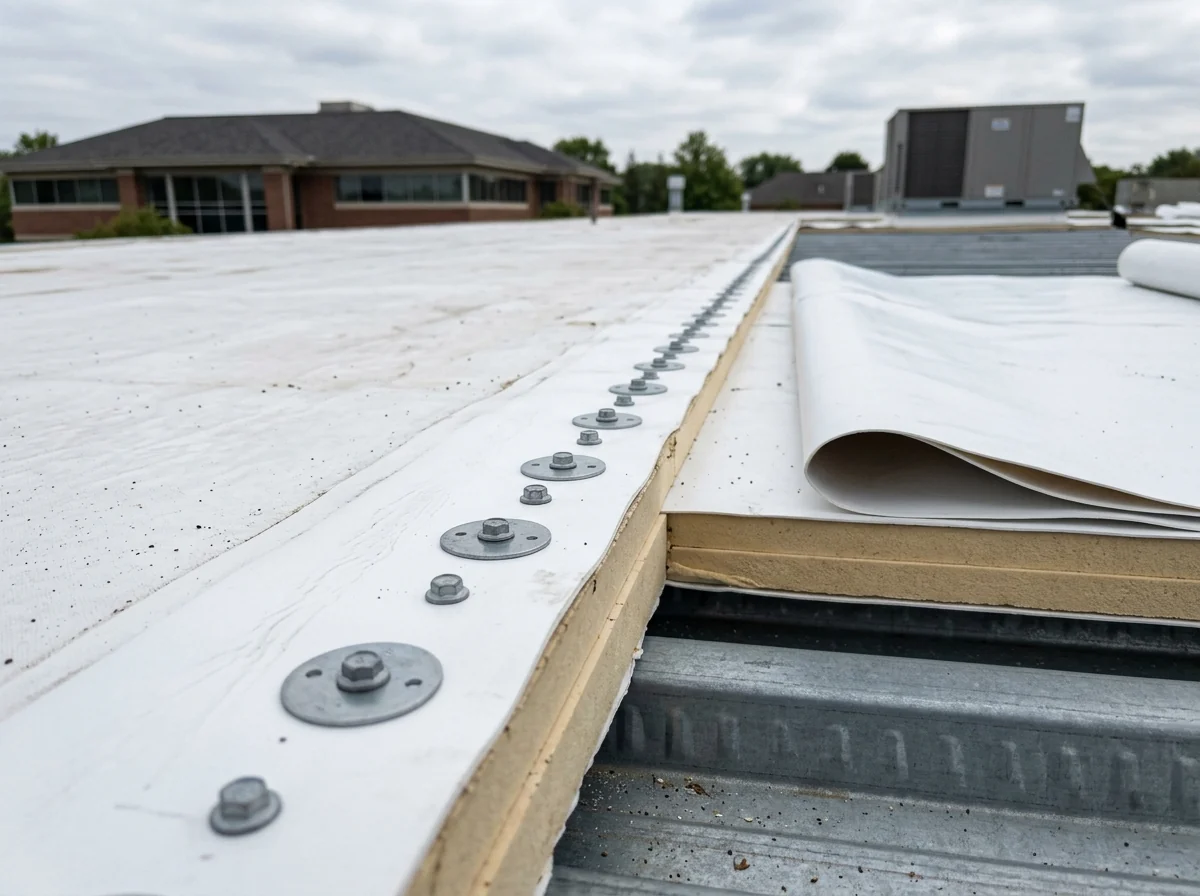
It goes down either mechanically fastened, with plates under each lap like the photo shows, or fully adhered with bonding adhesive. Fastened systems cost less; adhered systems sit flatter and stand up better to wind flutter. Thicker sheet buys more wear layer, so on a building you plan to hold, ask for prices on more than one thickness.
EPDM Rubber Roofing
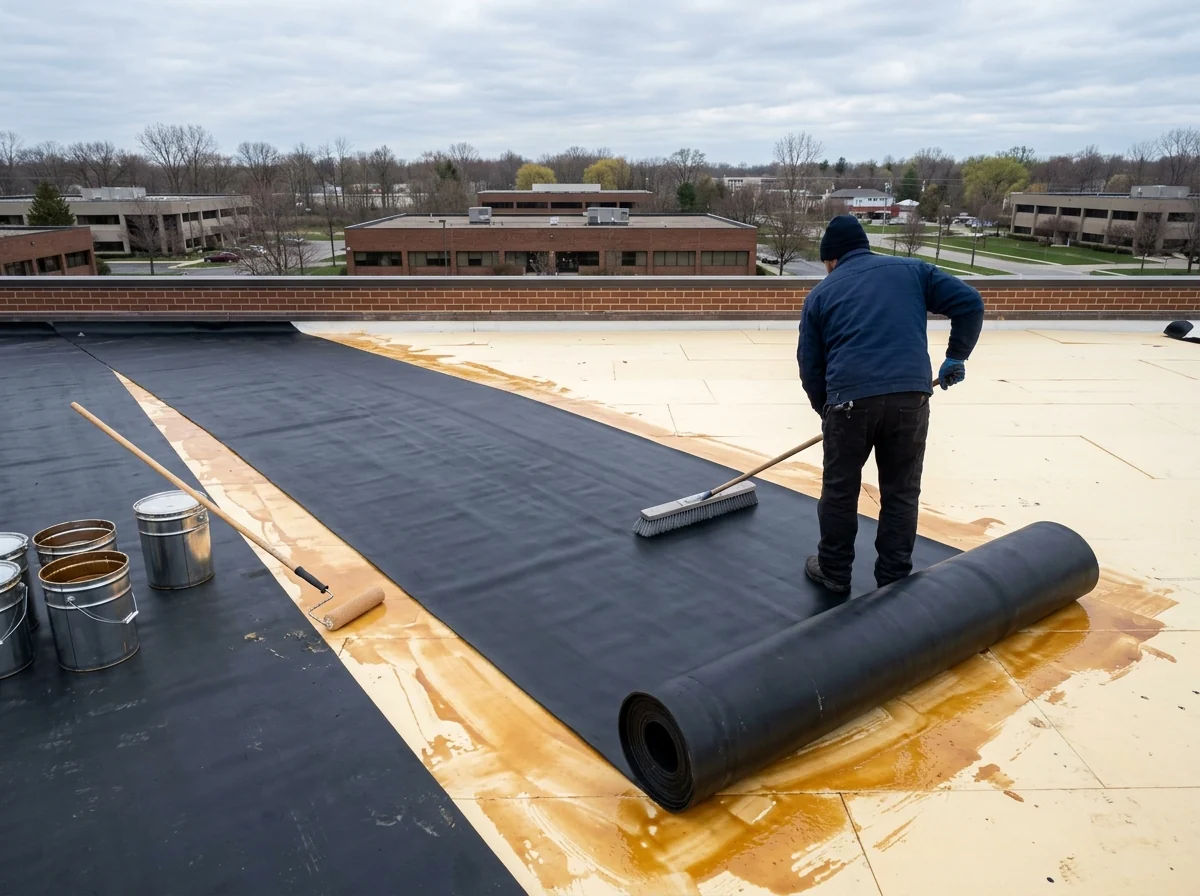
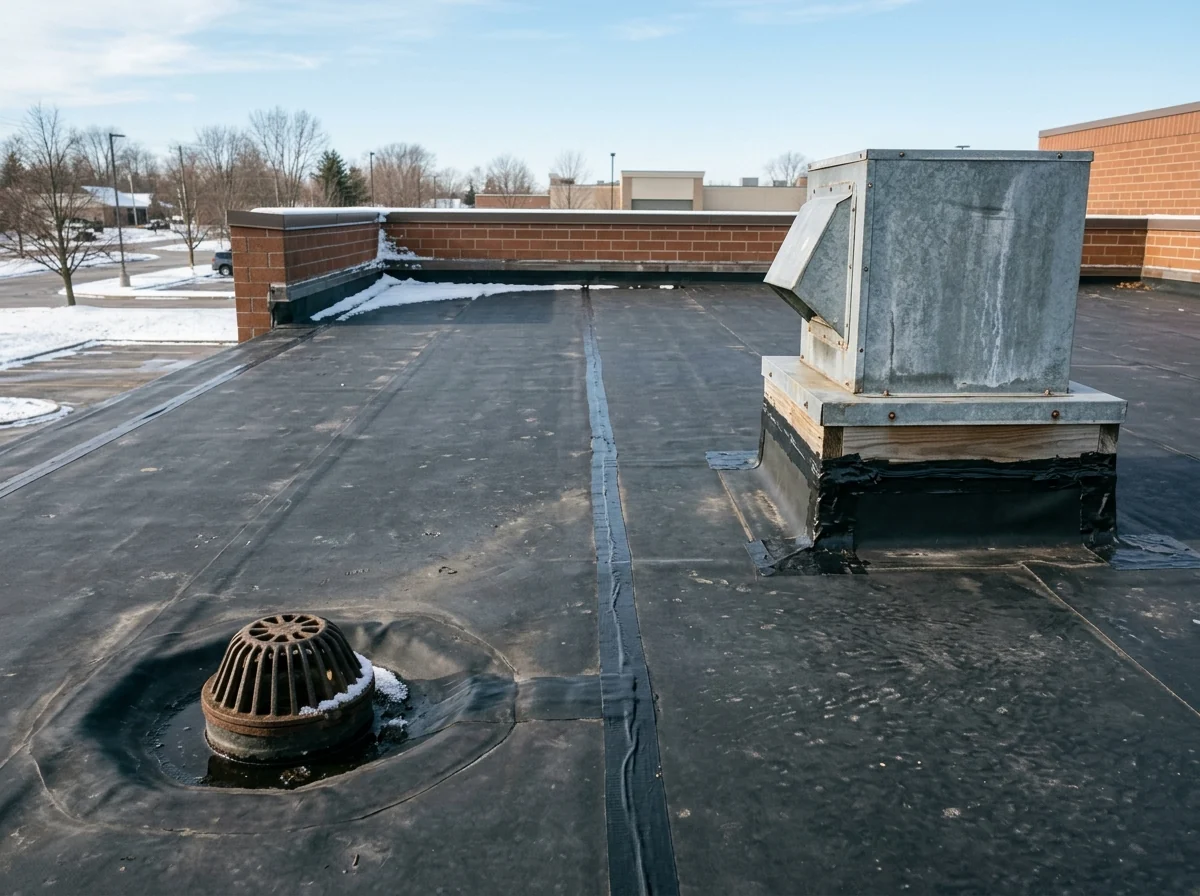
EPDM is synthetic rubber, usually black, made to ASTM D4637. It comes in 45, 60 and 90 mil sheets that are very wide, so a roof ends up with fewer seams. Those seams are taped rather than welded, and some sheets now arrive with seam tape applied at the factory.
EPDM can be fully adhered, mechanically attached or ballasted with stone. Ballasted roofs under a 2:12 slope have to be designed to the ANSI/SPRI RP-4 wind standard, which matters on taller buildings where corner uplift is high.
PVC Roofing
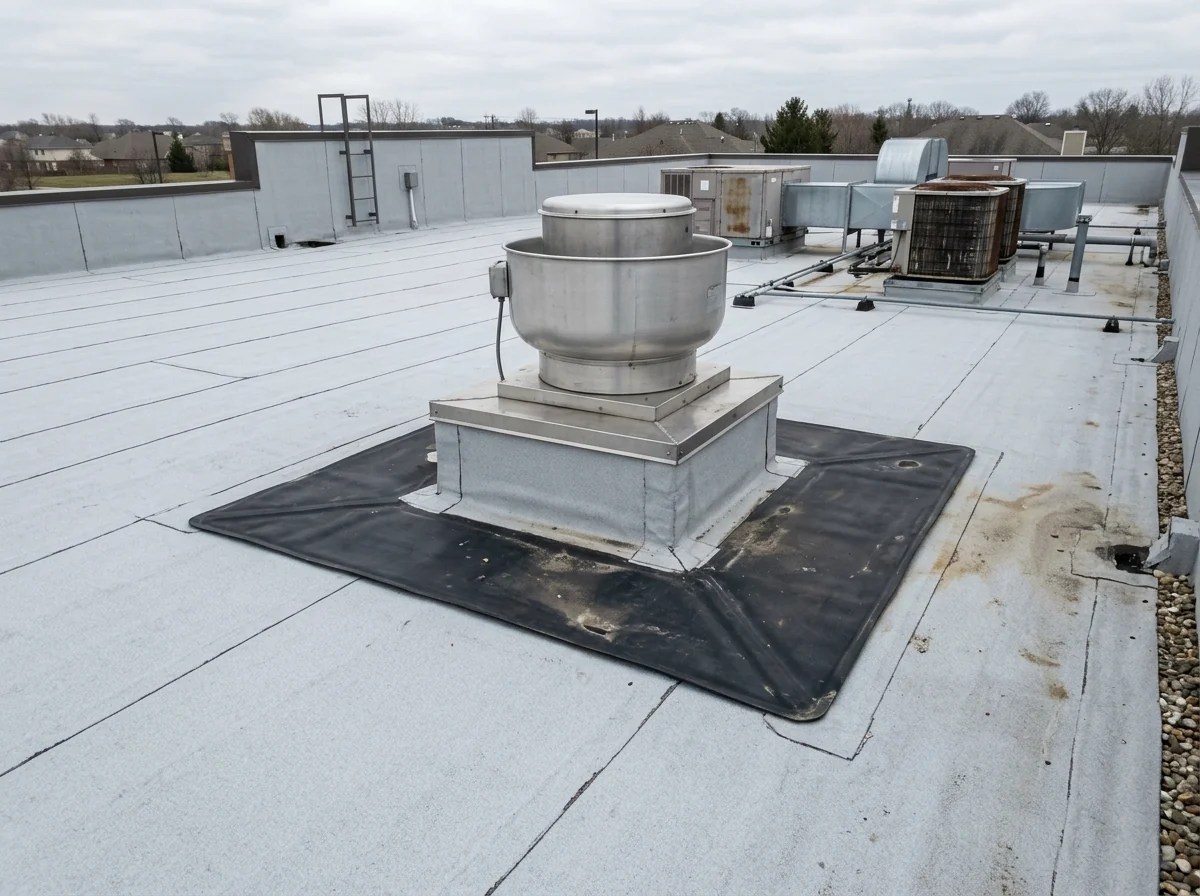
PVC is the other heat-welded thermoplastic, made to ASTM D4434. Like TPO it is usually white or light grey and welds into continuous seams, and HomeGuide's published life range for it runs 20 to 30 years. It also prices higher: about $5 to $12 per square foot installed against $4 to $10 for TPO.
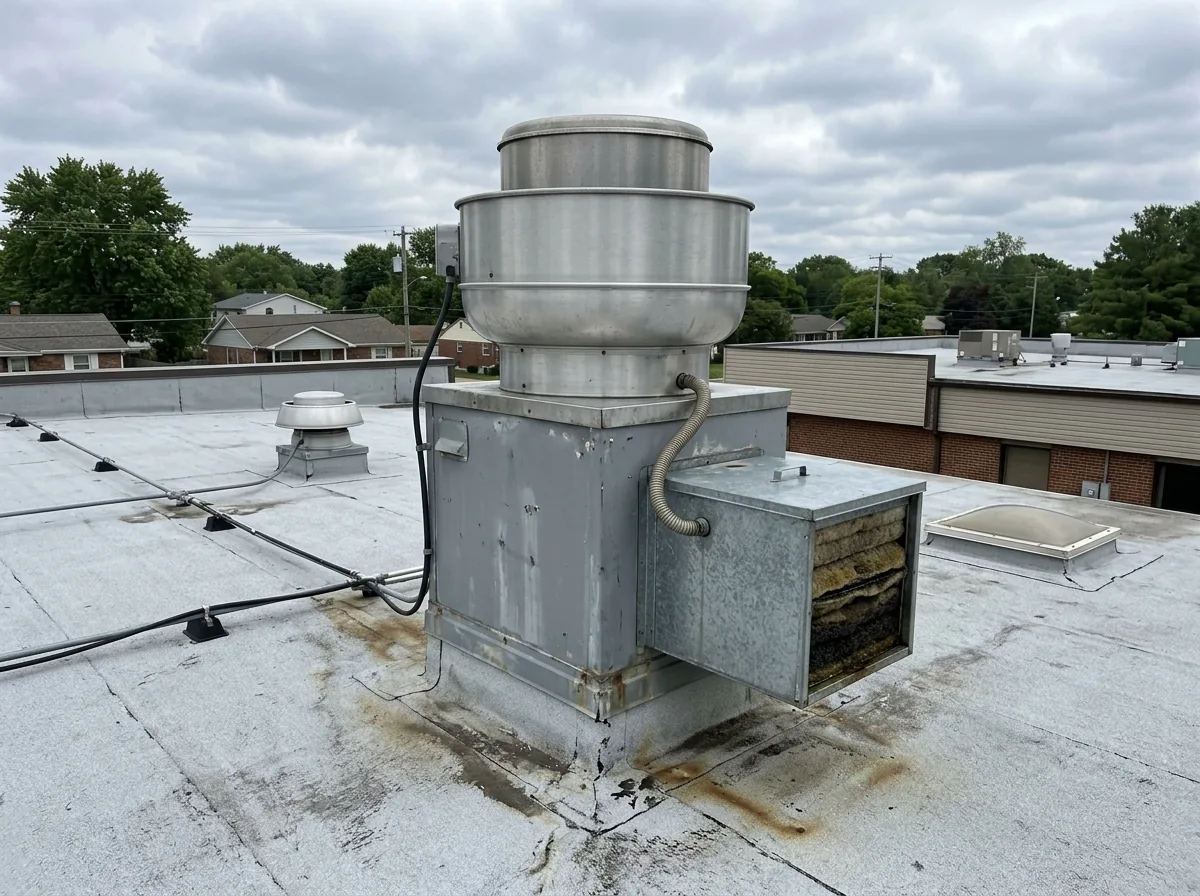
Restaurants and food plants are where the choice gets specific. Grease from kitchen exhaust fans lands on the roof around the curb, and not every membrane tolerates it. Ask the roofer for the manufacturer's written guidance on grease and chemical exposure for the exact sheet being quoted, and for a containment pad under the fan.
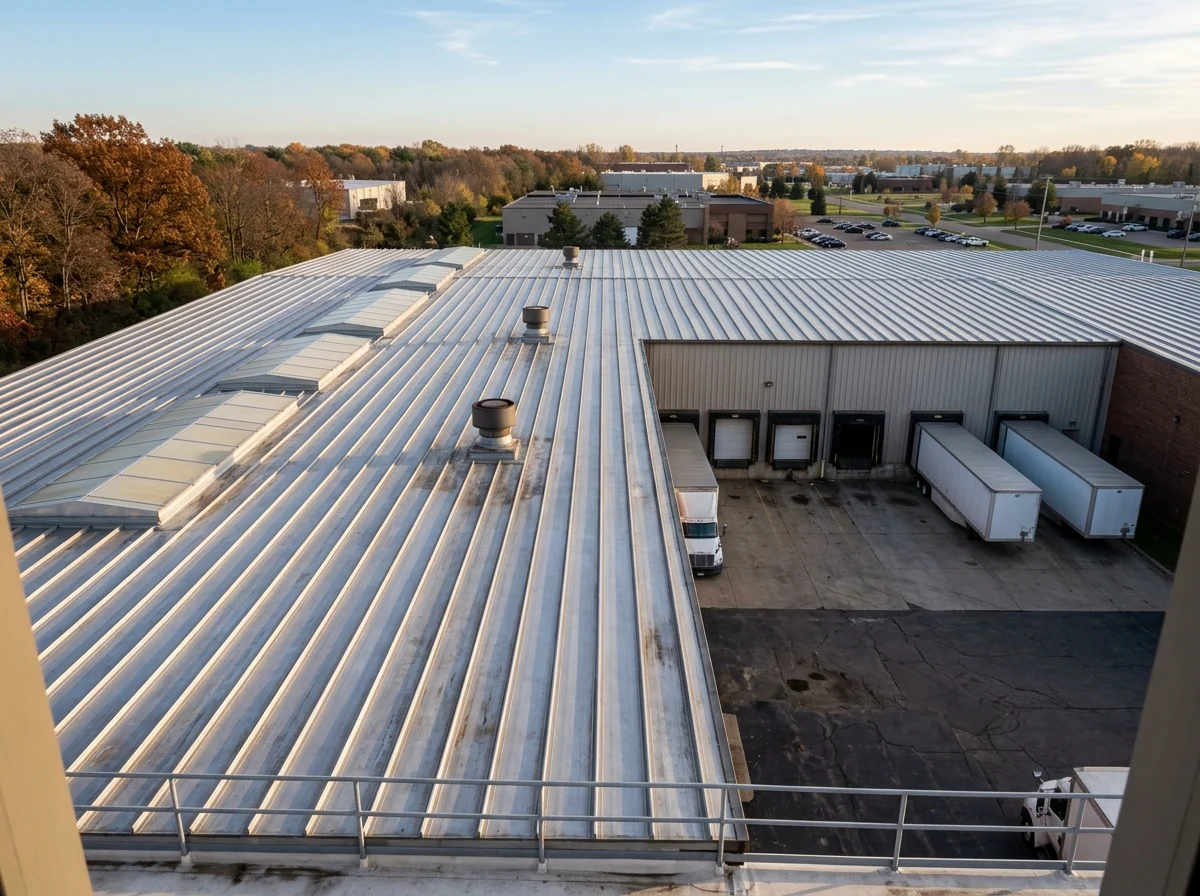
Commercial Metal Roofing
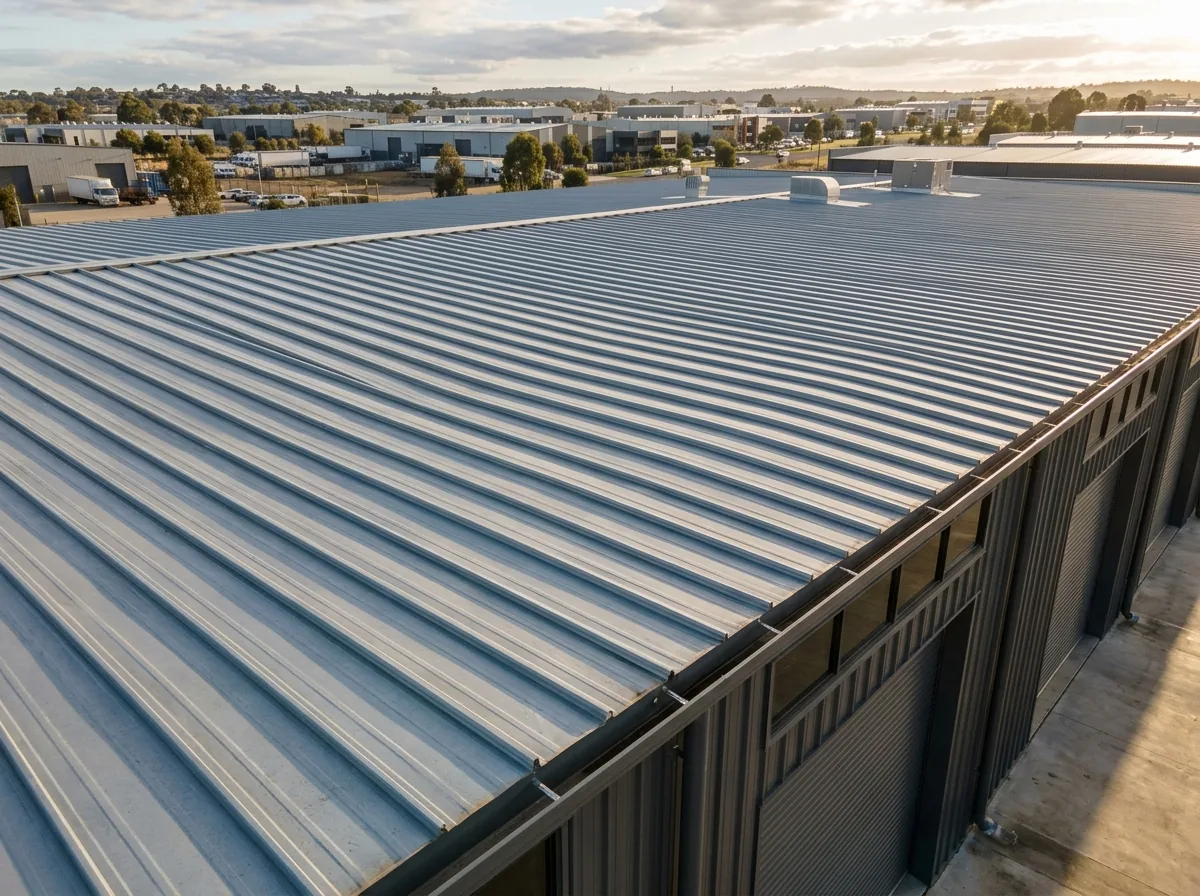
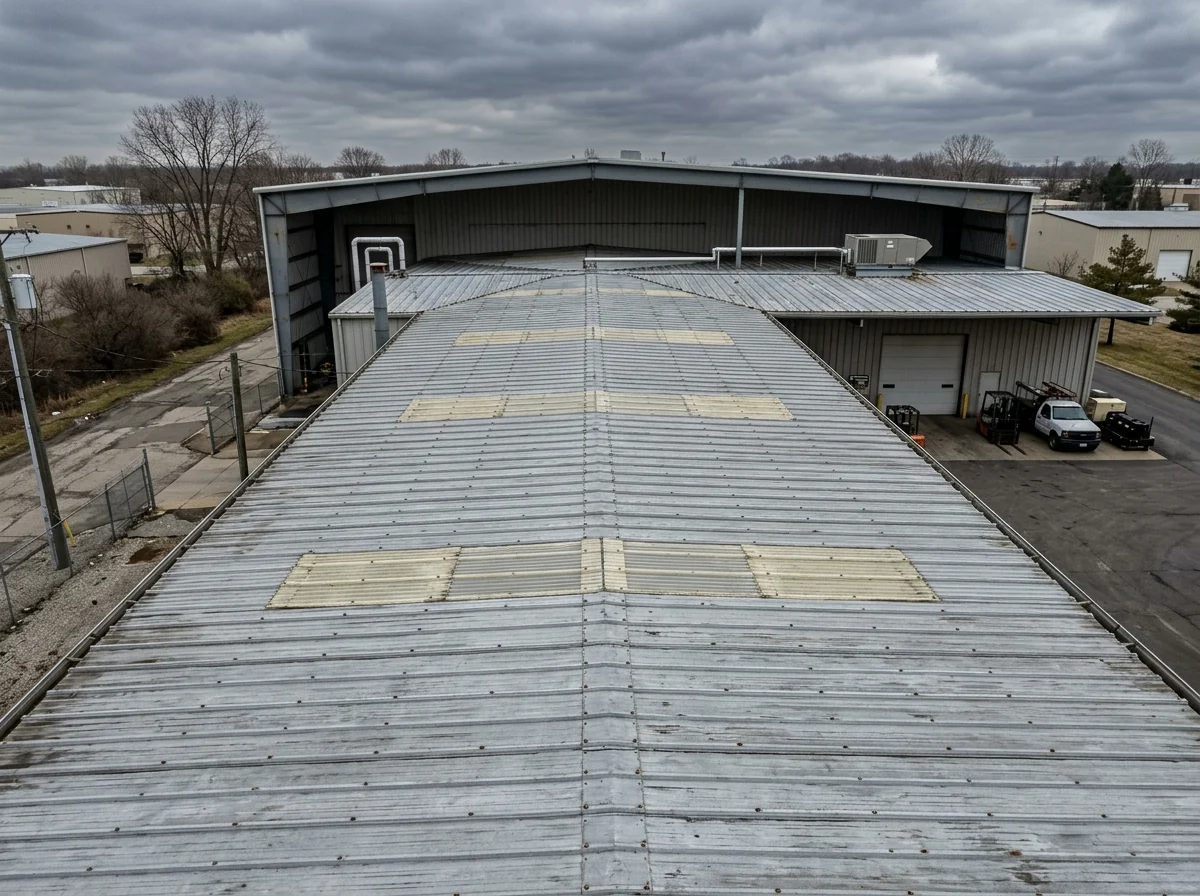
Standing seam metal panels can go on roofs as flat as 1/4 inch per foot; lapped, exposed-fastener panels need at least 1/2:12 with sealant in the laps, or 3:12 without. That makes standing seam the metal option for warehouses and distribution buildings with very low pitch.
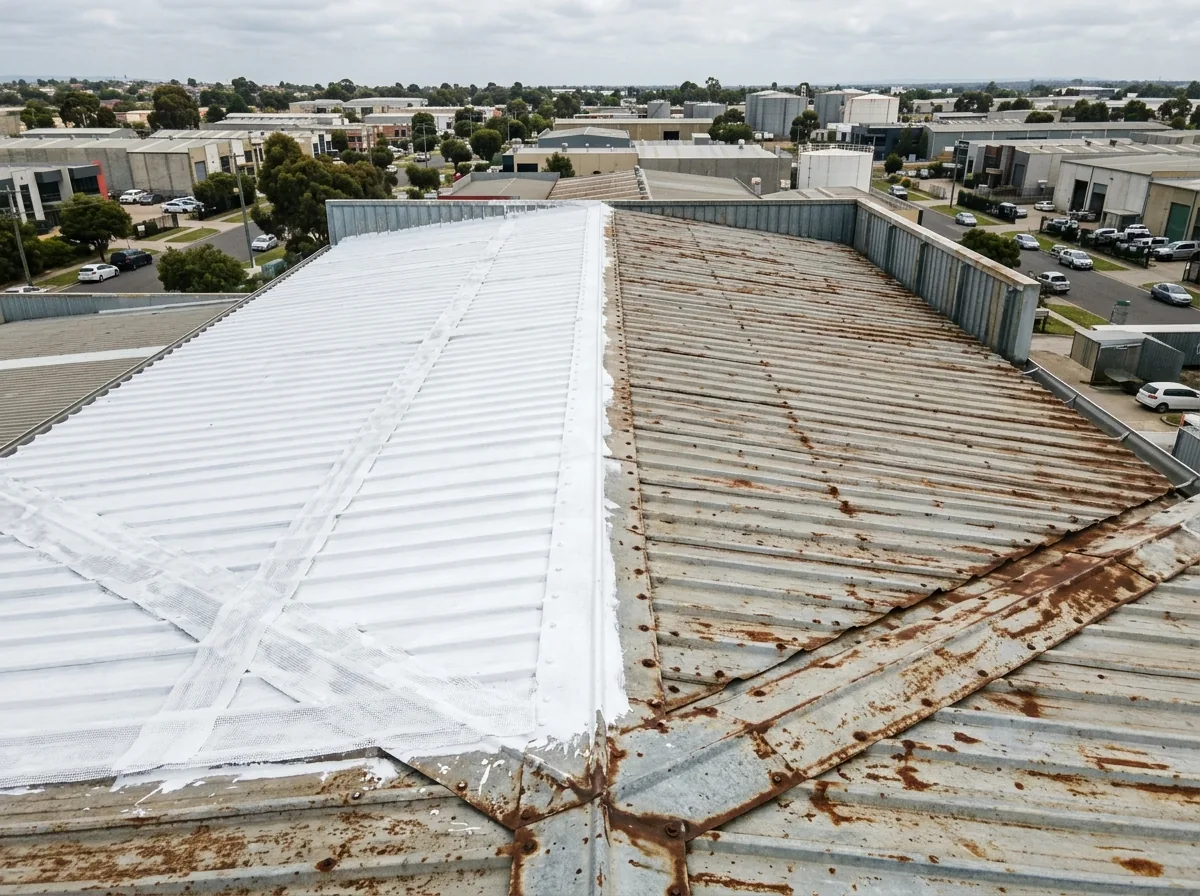
Metal also has unusually good long-term data behind it. A Metal Construction Association study of 14 unpainted aluminum-zinc coated standing seam roofs, some in service for 35 years, projects more than 60 years of life for a similar roof built today. Older metal roofs with rusting fasteners and leaking end laps can often be restored with new fasteners, seam sealant and a coating instead of new panels.
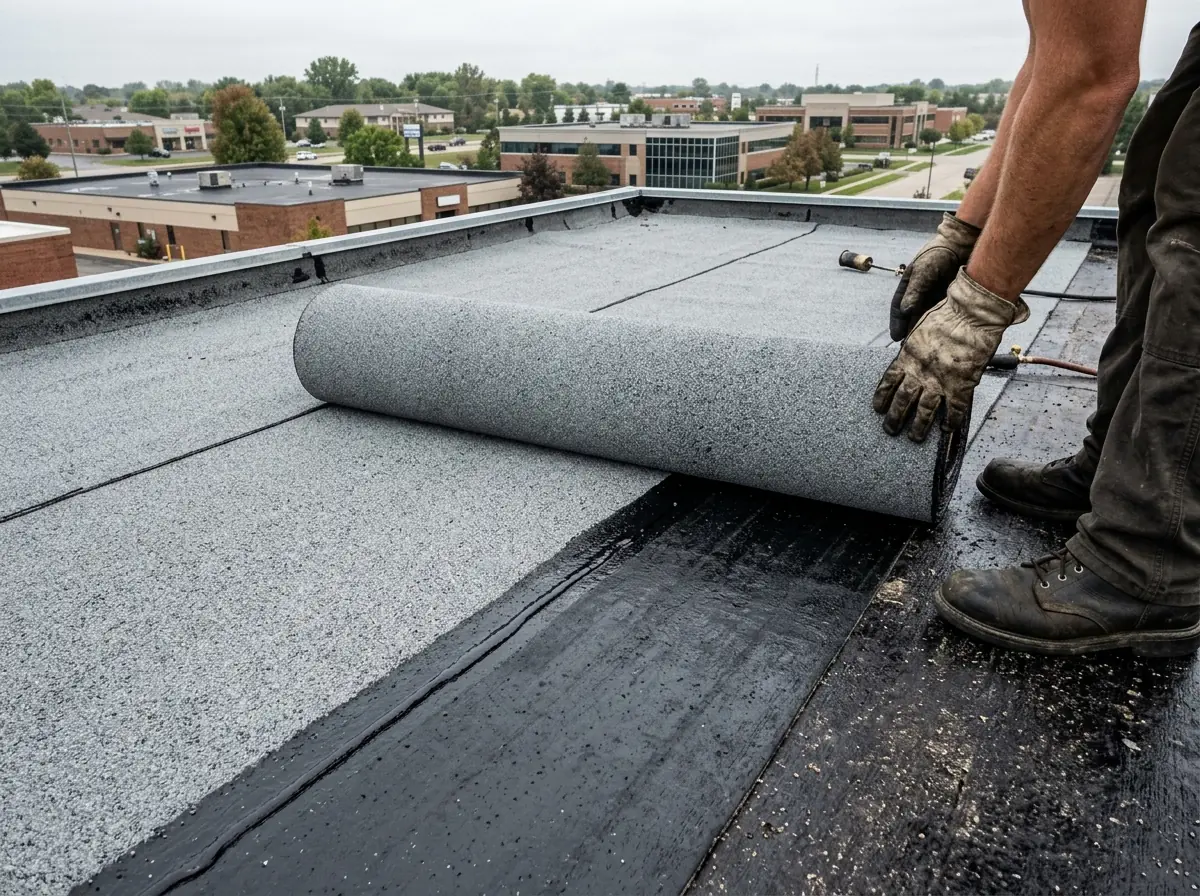
Modified Bitumen Roofing
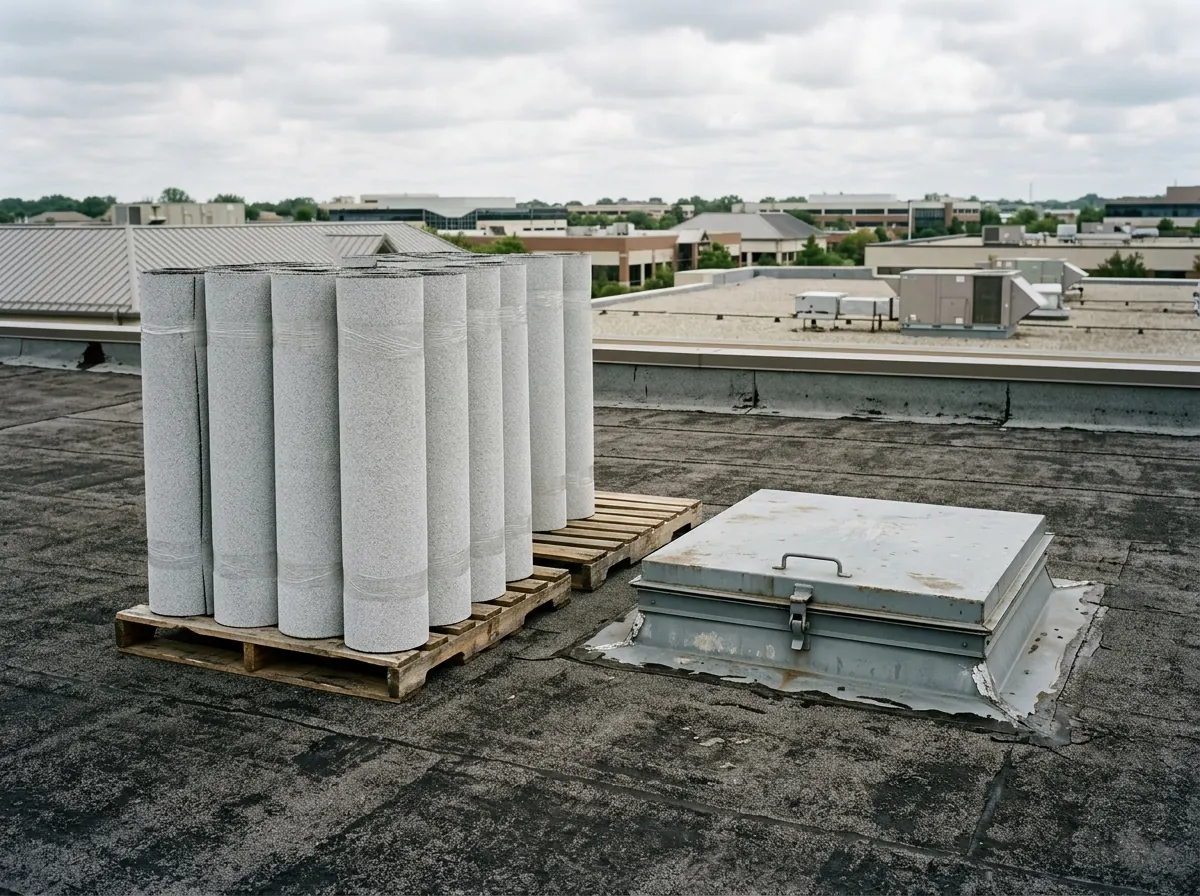
Modified bitumen is asphalt blended with rubber (SBS) or plastic (APP) polymers and built in two or more plies: a base sheet, then a granulated cap sheet. The plies go down torch-applied, mopped in hot asphalt, set in cold adhesive or as self-adhered sheets. Multiple layers give it redundancy a single-ply roof lacks, and it handles foot traffic well.
The method matters on an occupied building. Torching near wood blocking or parapets is a fire risk that self-adhered and cold-process systems avoid, at some cost in speed. HomeGuide prices modified bitumen at $4 to $7.50 per square foot installed, with a 10 to 20 year life range.
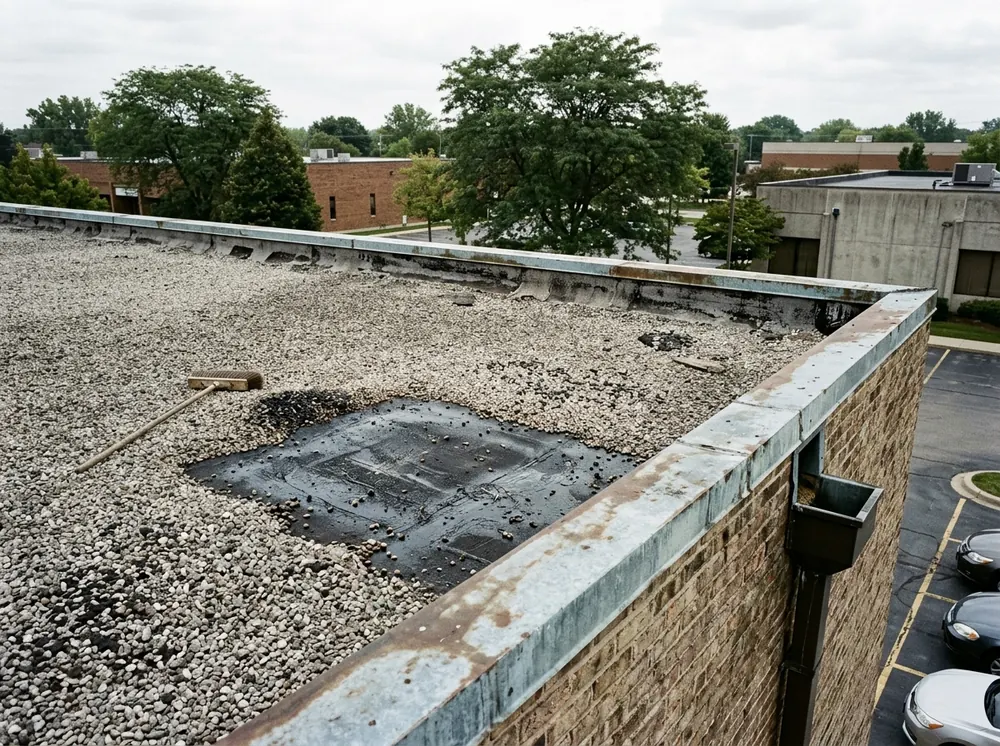
Built-Up Roofing (BUR) and Tar and Gravel
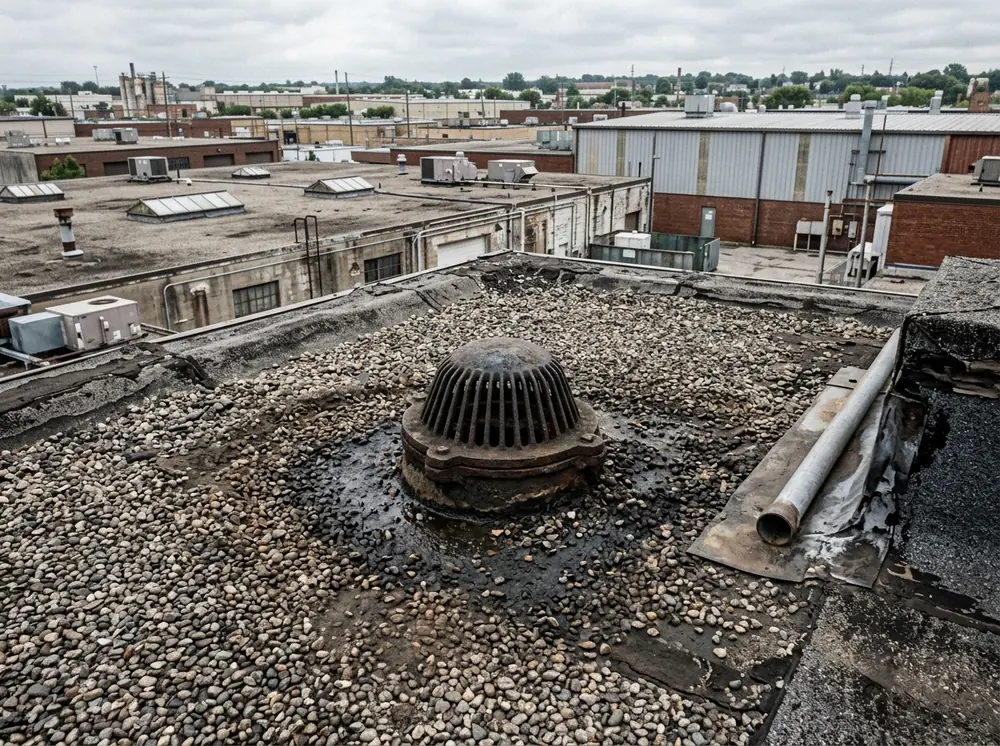
Built-up roofing is the original flat roof: alternating layers of felt and hot asphalt or coal tar, finished with a flood coat and embedded gravel. Plenty of older commercial buildings still have one. Most of these roofs need at least 1/4 inch per foot of slope, though coal-tar systems can go down to 1/8 inch.
When a BUR roof is replaced, the code doesn't allow the old gravel to be reused, and rusted gravel stops, flashings and drain collars can't go back on either. Older built-up roofs can also contain asbestos. EPA's asbestos rule applies to commercial roofs once 160 square feet or more of asbestos-containing roofing is disturbed, and the removal method changes how it applies, so a sample before tear-off is worth paying for.
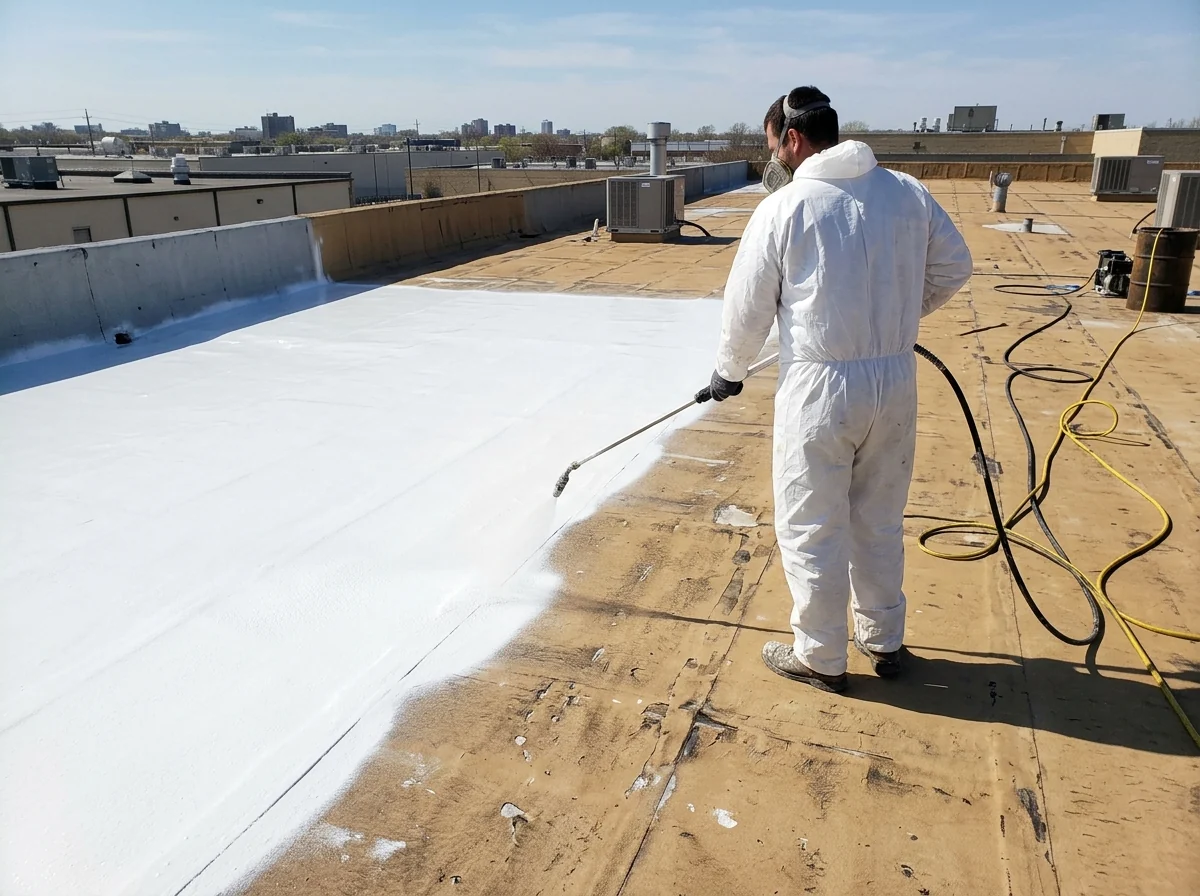
Silicone and Acrylic Roof Coatings
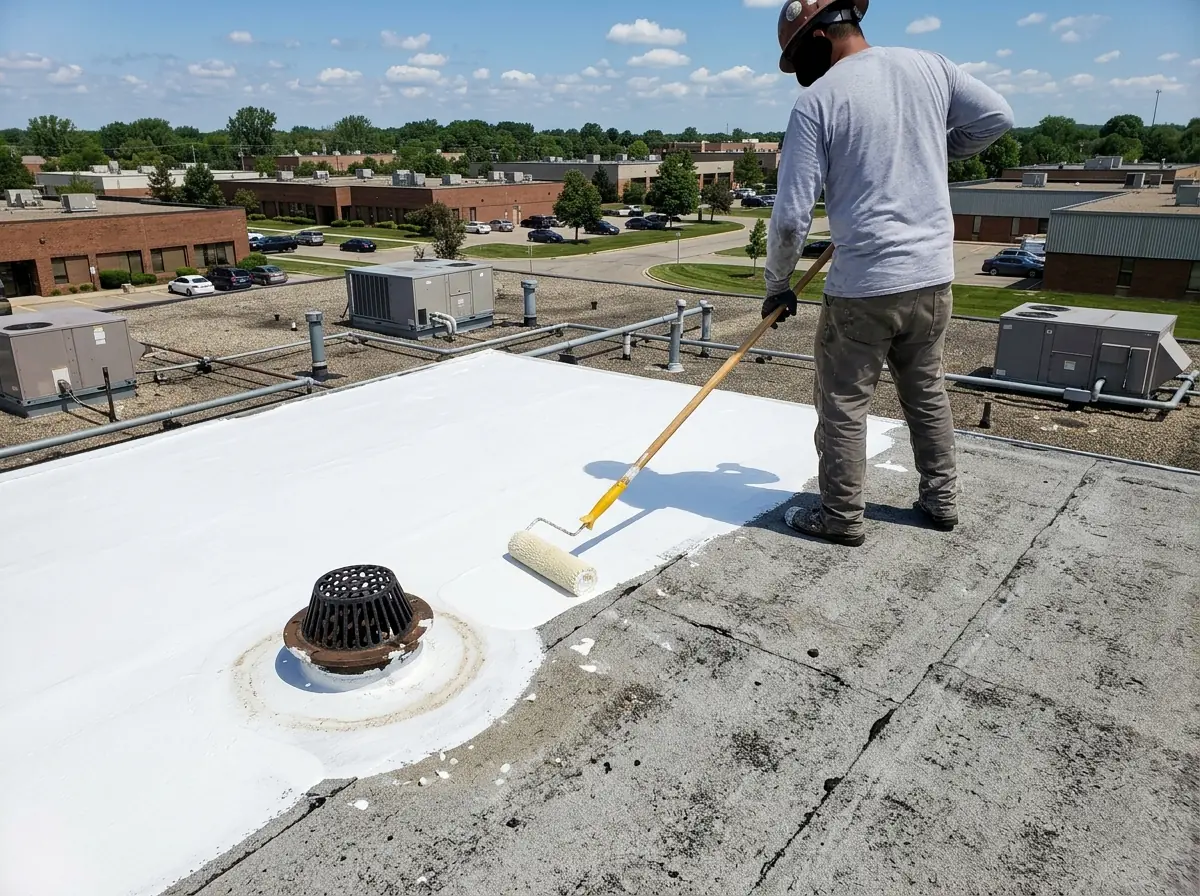
A coating can add years to a roof that is old but still dry, for less than a new roof. The building code allows a new coating over an existing coating, metal, built-up, spray foam, modified bitumen or single-ply roof without a tear-off. HomeGuide's installed ranges are $1.50 to $4.50 per square foot for silicone and $0.50 to $3.00 for acrylic.
Two cautions. Insulation under a membrane behaves like a sponge: once it's wet, a coating on top just seals the water in, so a moisture survey should come before any bid. And the chemistry should match where water sits on your roof and what the old surface is; ask the roofer why they chose silicone or acrylic for your roof, not just which one is cheaper.
See Commercial Roof Coatings in Troy, MI and Commercial Roof Restoration in Troy, MI.
Spray Foam (SPF) Roofing
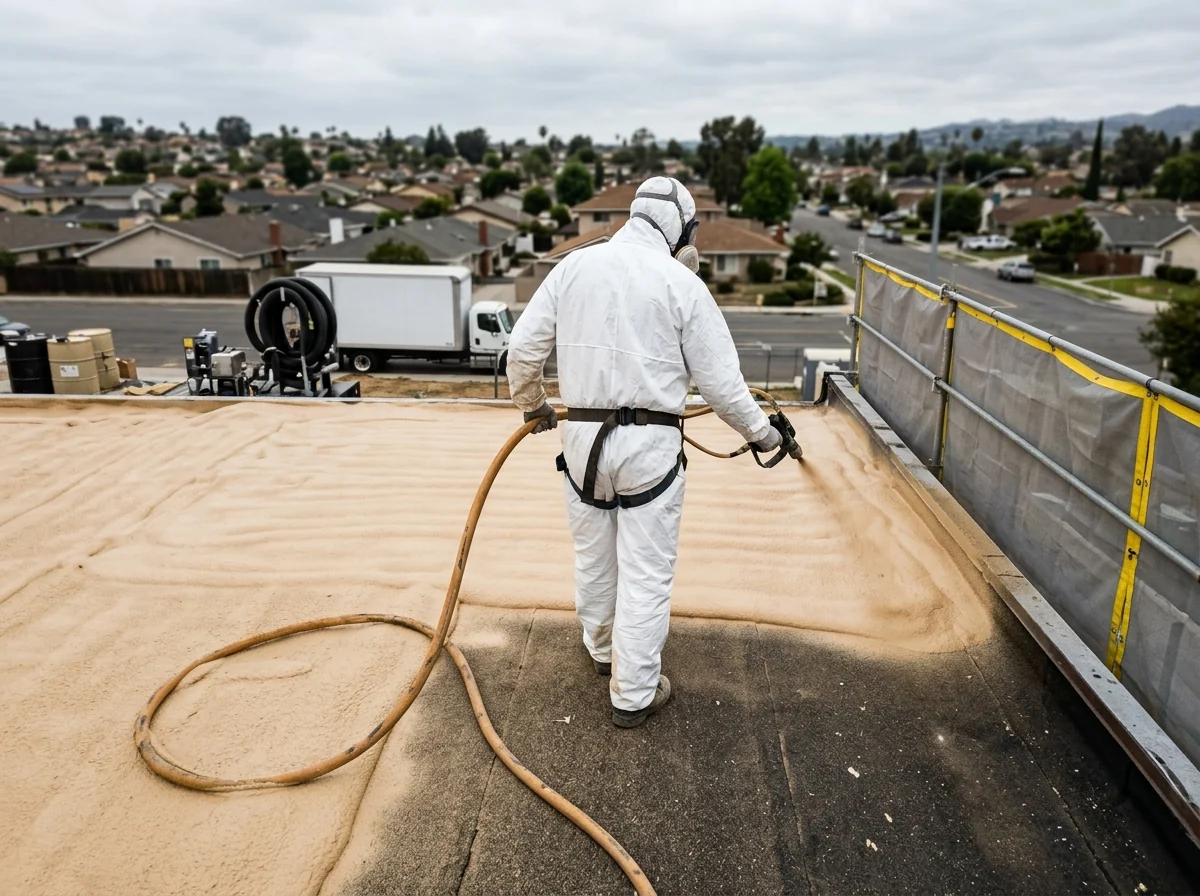
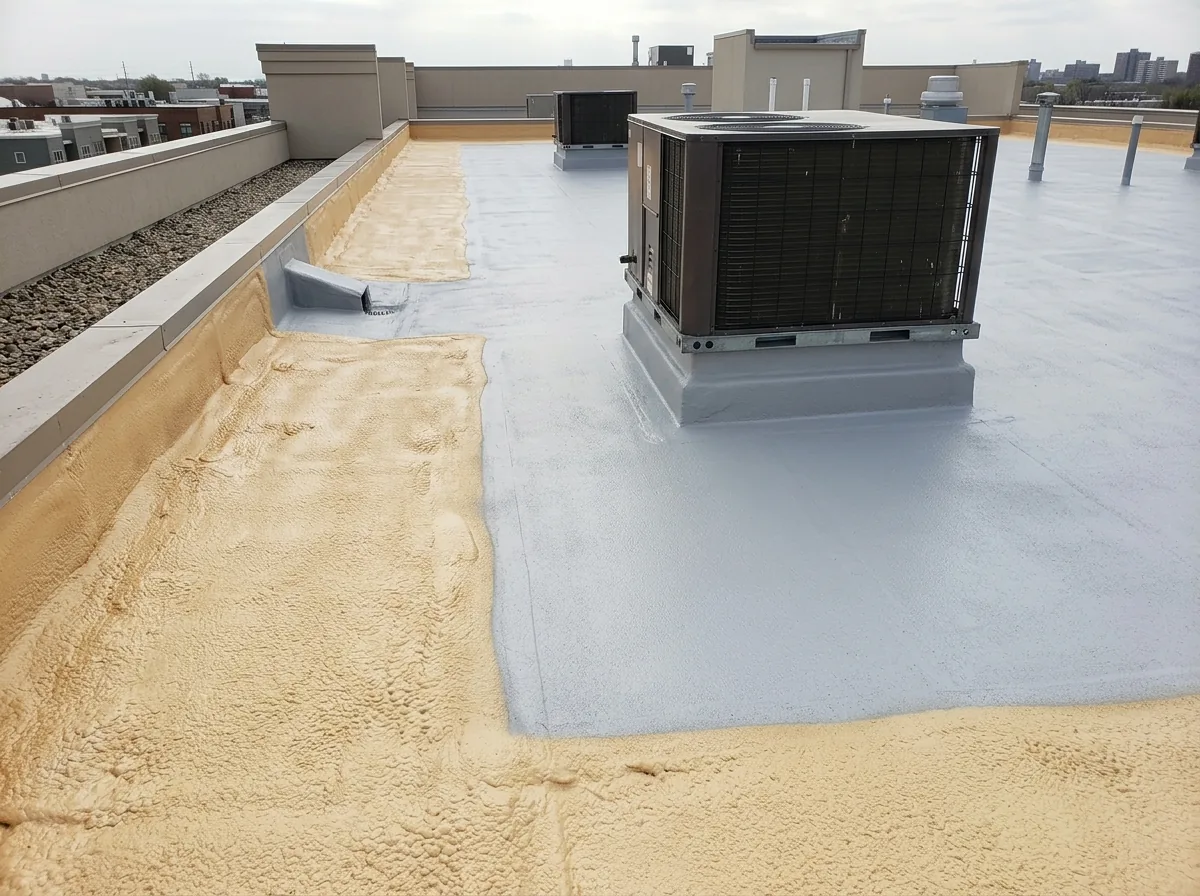
Spray polyurethane foam is sprayed on as a liquid, rises into a seamless layer of rigid insulation, and flows around curbs and penetrations without a single lap. Thickness can be built up in low spots to improve drainage. The code wants at least 1/4:12 slope and a protective coating applied between 2 and 72 hours after the foam goes down.
That coating is the wearing surface, and it gets renewed over the roof's life. HomeGuide lists SPF roofing at $2 to $6 per square foot. Foam is weather-sensitive to install, so it's a job for the drier, warmer months.
Commercial Roof Inspections and Maintenance
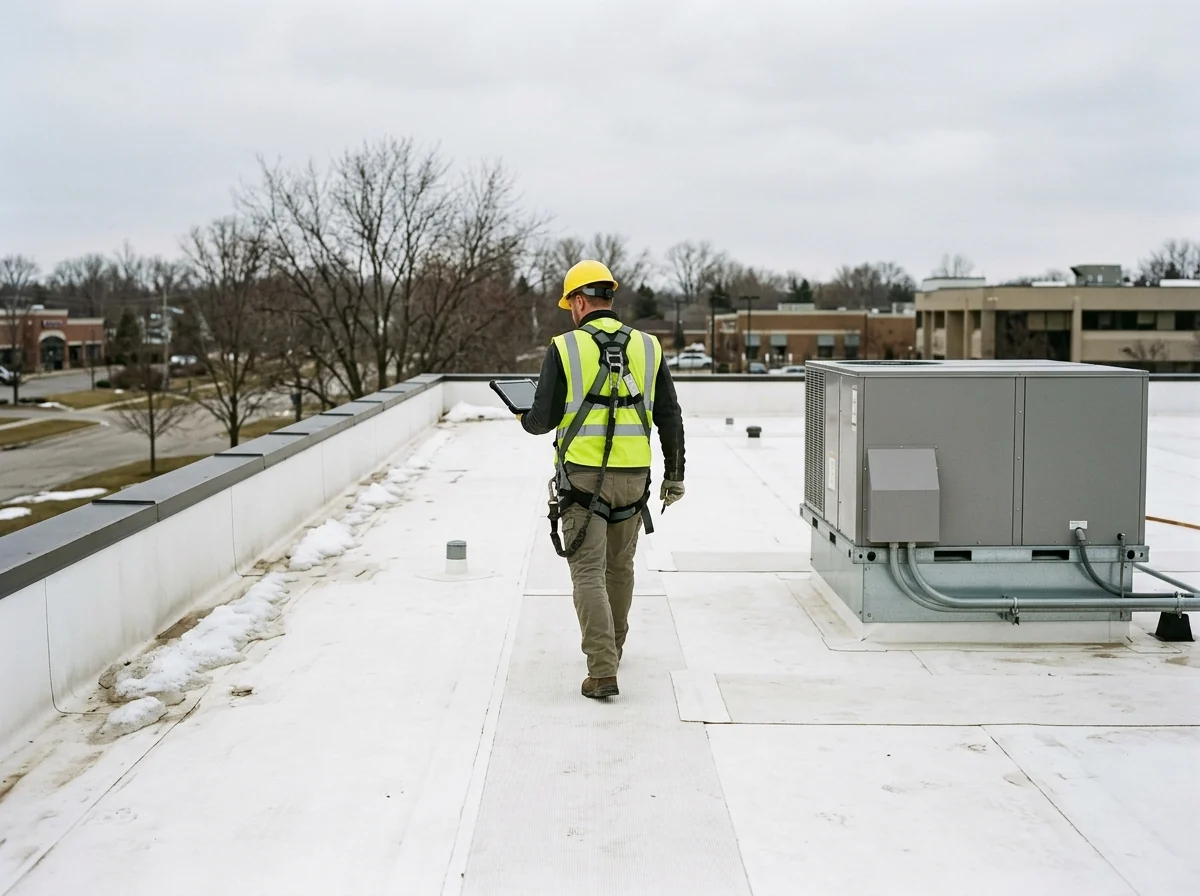
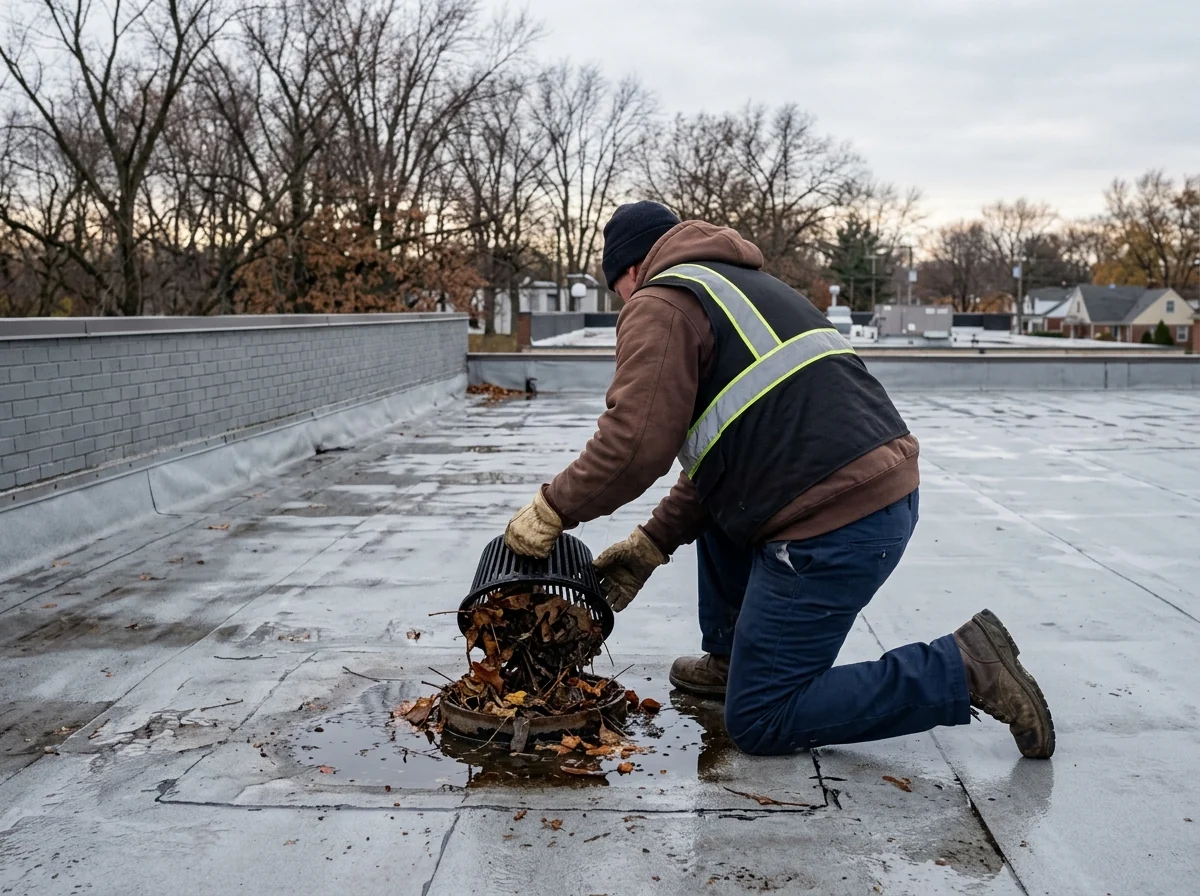
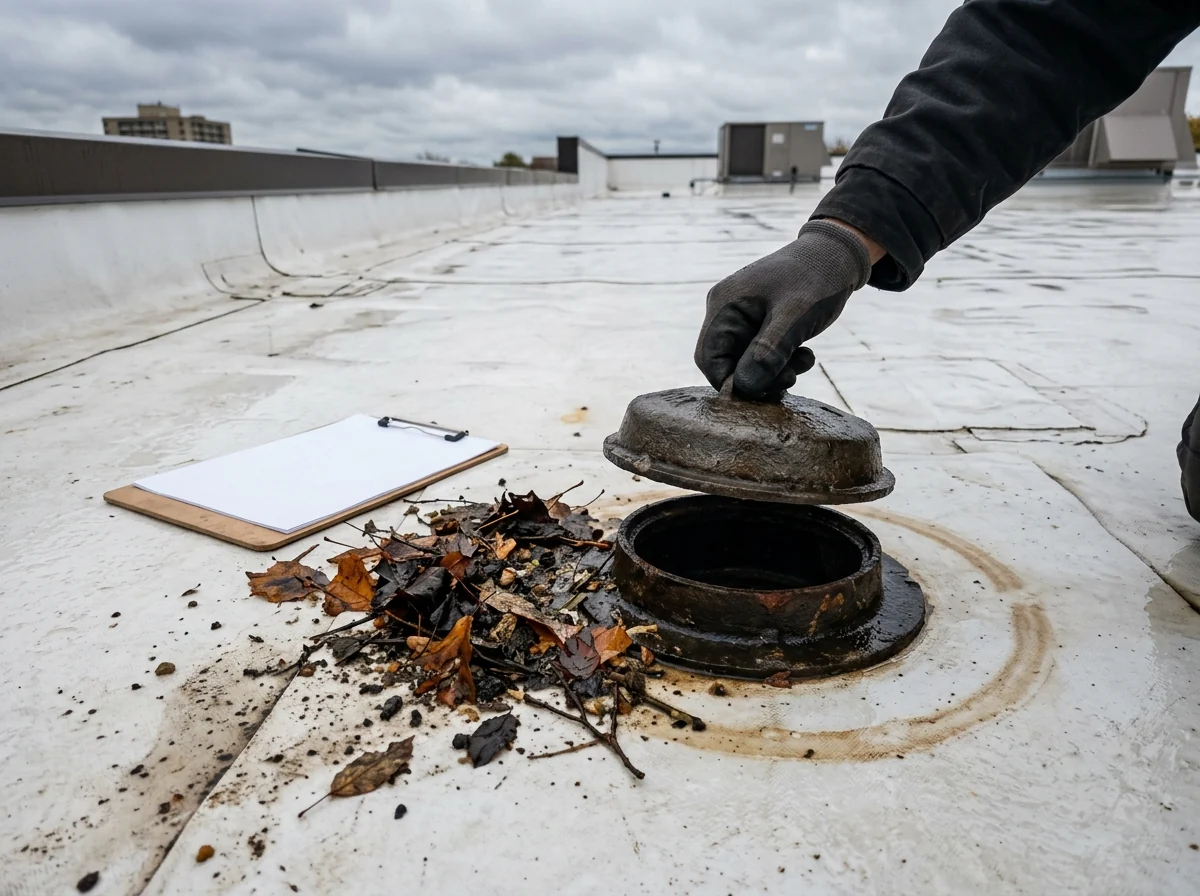
NRCA recommends inspecting a roof at least twice a year, in spring and fall, and after any hailstorm or severe wind. The industry test for drainage is simple: water still standing 48 hours after rain is ponding, and ponding adds weight that deflects the deck, which collects more water.
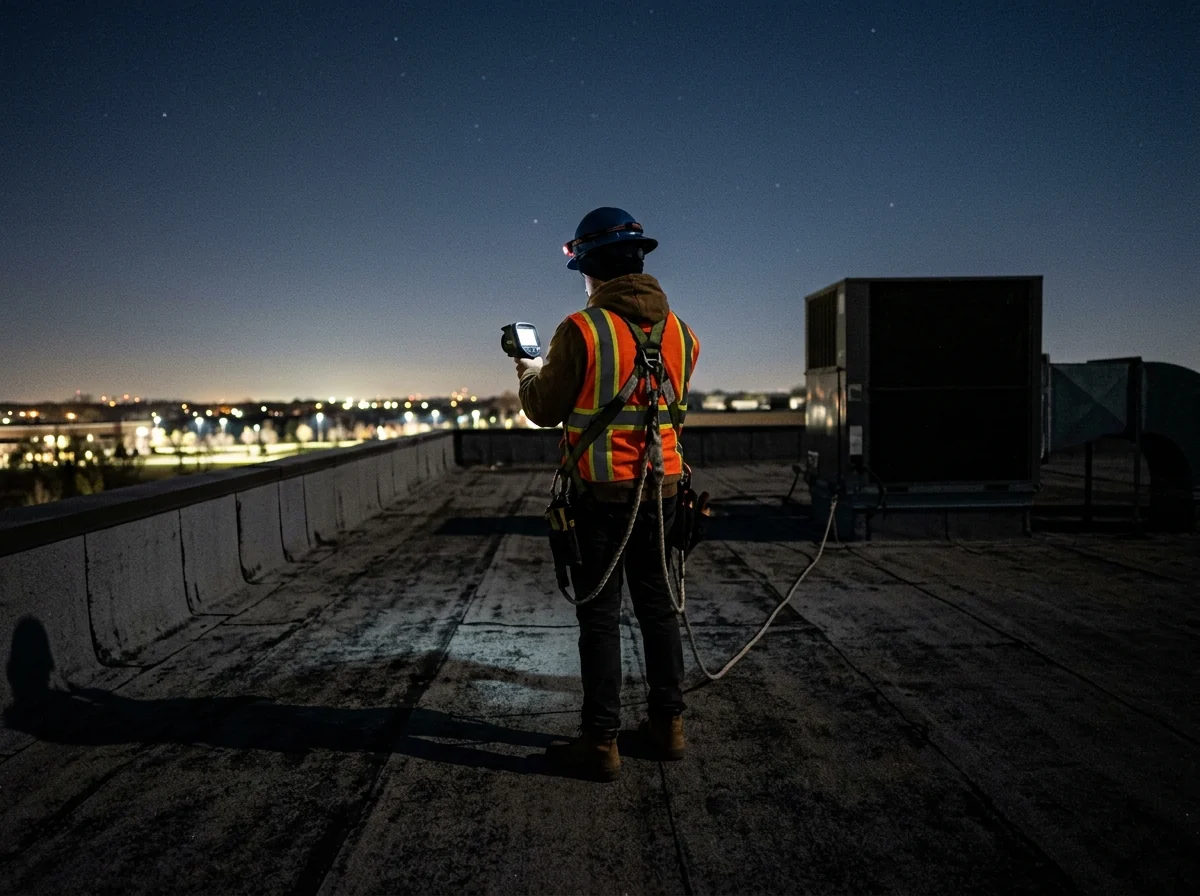
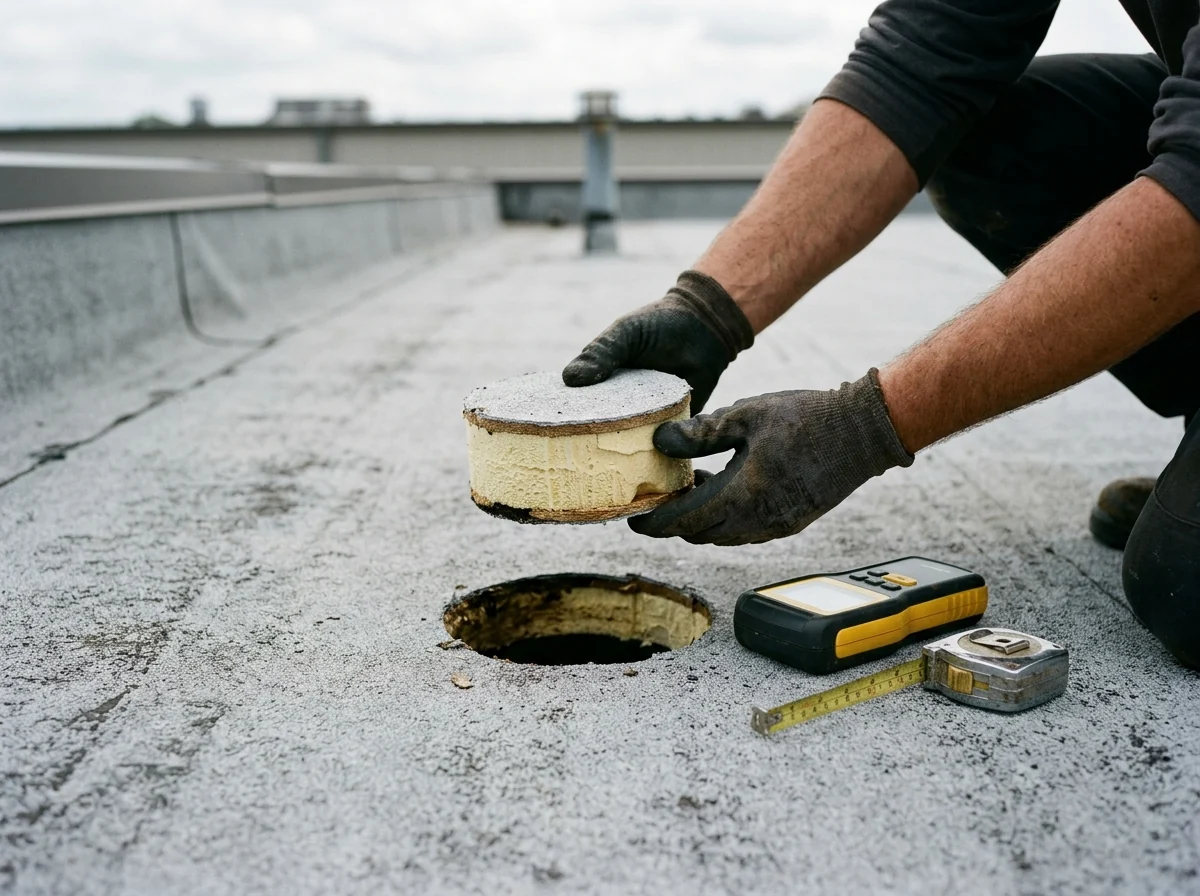
A proper inspection checks seams, flashings, curbs, drains and scuppers, and clears debris. When a roof is being sized up for recover or coating, it adds a moisture survey: infrared scanning at night, nuclear gauges or impedance meters, confirmed with small core cuts. Infrared sees heat, not water, so cores verify what the camera suggests.
See Commercial Roof Inspection in Troy, MI, Commercial Roof Maintenance in Troy, MI and Roof Leak Detection in Troy, MI.
Get a free commercial roofing estimate in Troy
- Free, no-obligation roof assessment and estimate
- Written scope and price before any work starts
- One local commercial roofing contractor per request, not a call list
- No charge to building owners for the referral
Commercial Roofing for Every Kind of Troy Property
Troy's brochure counts more than 6,000 businesses in the city, from engineering offices to manufacturers. The roof problems differ by building, and so does the way work has to be scheduled.
Warehouses and Distribution Buildings
Wide spans, steel decks and long runs of standing seam or single-ply. Loading docks keep operating during work, so crews stage materials away from truck courts and work in sections. Skylights and roof hatches on large open roofs belong in the fall-protection plan.
Office Buildings and Business Parks
Occupied floors below, rooftop units on curbs and tenants who notice noise and odors. Expect questions about work hours, adhesive fumes near air intakes, and whether a white membrane will help with summer cooling loads.
Restaurants, Shops and Strip Retail
Short roofs with lots of penetrations: exhaust fans, sign brackets, HVAC and parapet walls. Grease near kitchen exhaust shapes the membrane choice, and work is usually scheduled around opening hours.
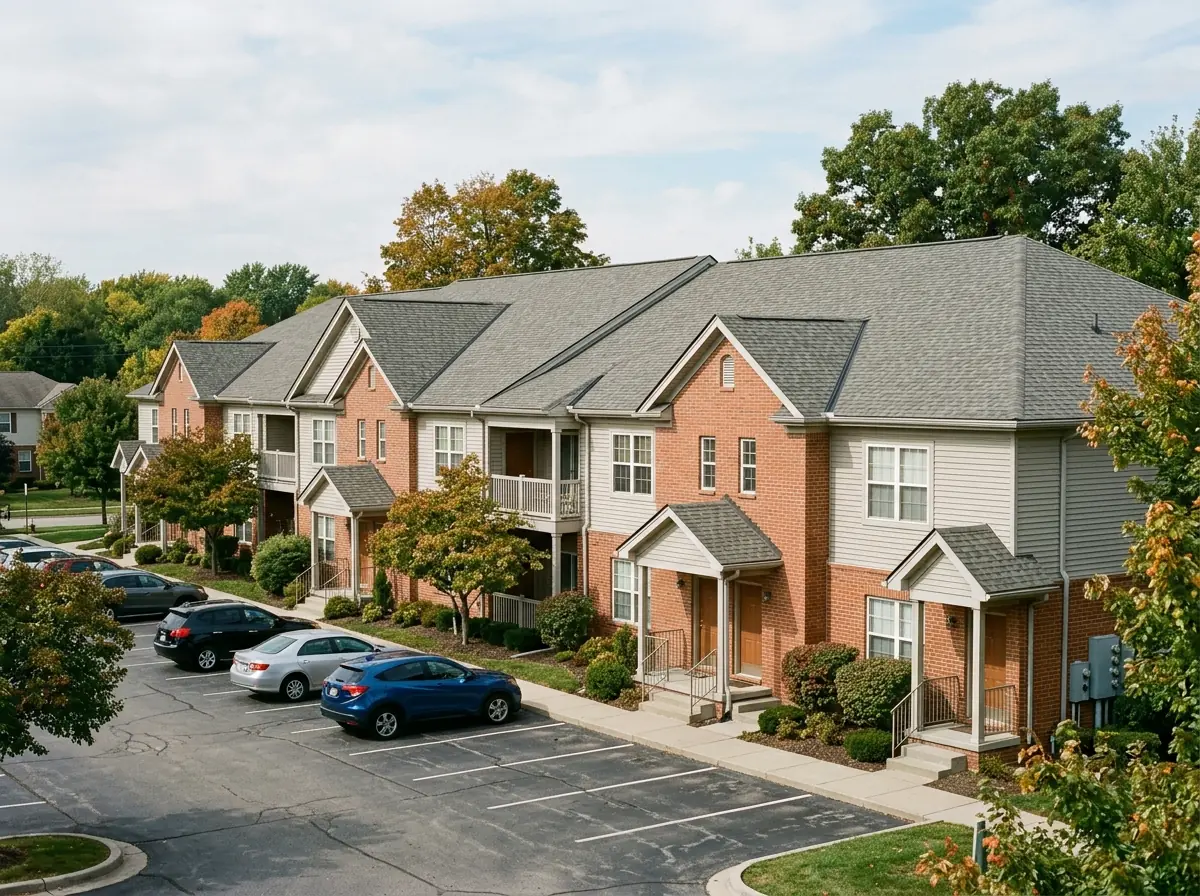
Apartments, Condos and HOA Buildings
Board approval, reserve-study budgets and residents at home all day. Phasing the roof by building, with a written schedule, keeps an association's cash flow and its residents calmer.
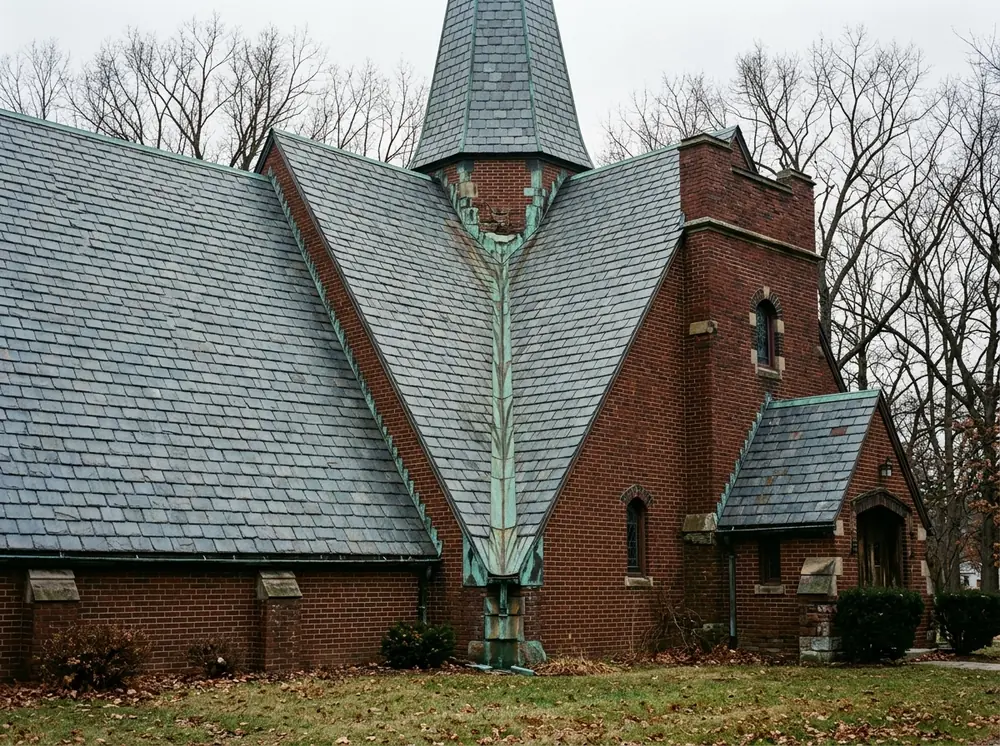
Schools, Churches and Community Buildings
Many have a mix of steep and low-slope sections and tight calendars. Summer break and weekday windows set the schedule, and older wings often hide built-up roofs that need an asbestos check.
Medical and Lab Buildings
Equipment, patients and clean areas below. Dust control, sealed openings, no-surprise shutdowns of rooftop air handling and a plan for overnight dry-in all belong in the scope.
Specialty Commercial Roofing Services
Emergency Roof Leak Repair
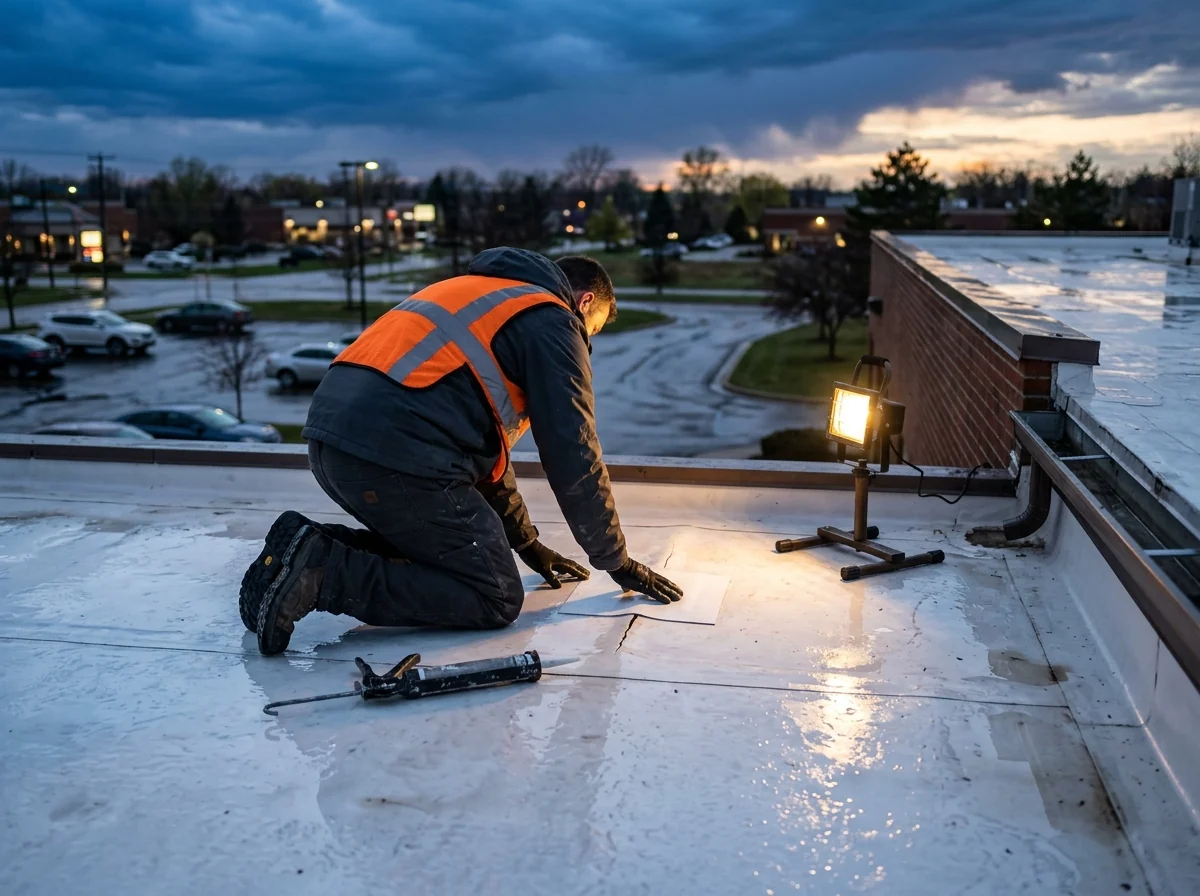
Water coming through a ceiling gets a temporary dry-in first: a membrane patch, a sealed seam or a tarp over the opening. Photograph the damage inside and on the roof before anything is moved; your insurer will ask.
Storm Damage and Insurance Claims
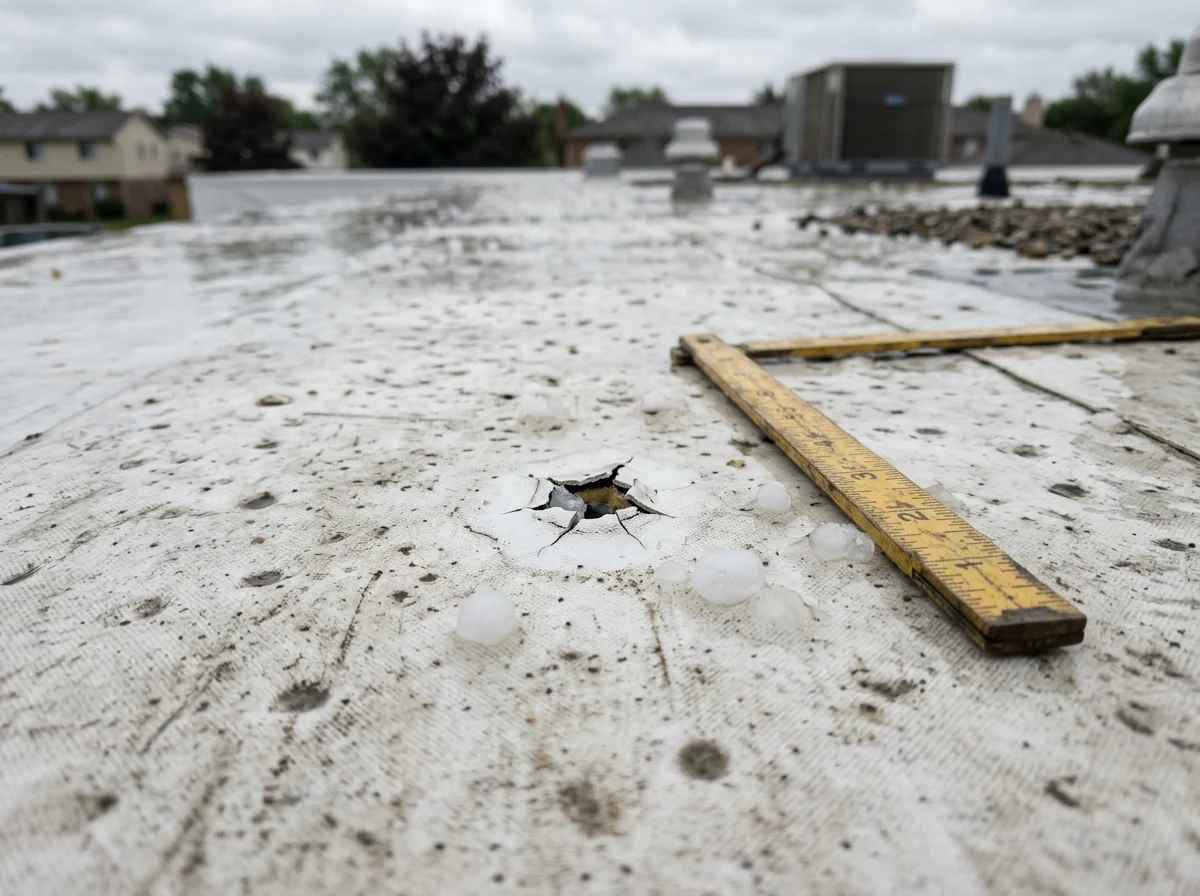
The National Weather Service calls a storm severe at 1-inch hail or 58 mph wind. Oakland County sees those storms: on April 17, 2024, the NWS logged wind damage to a commercial building's roof in Ferndale, and one-inch hail was reported just north of Troy in April 2023. Ask for a written damage report with photos and measurements.
Roof Snow and Ice Removal
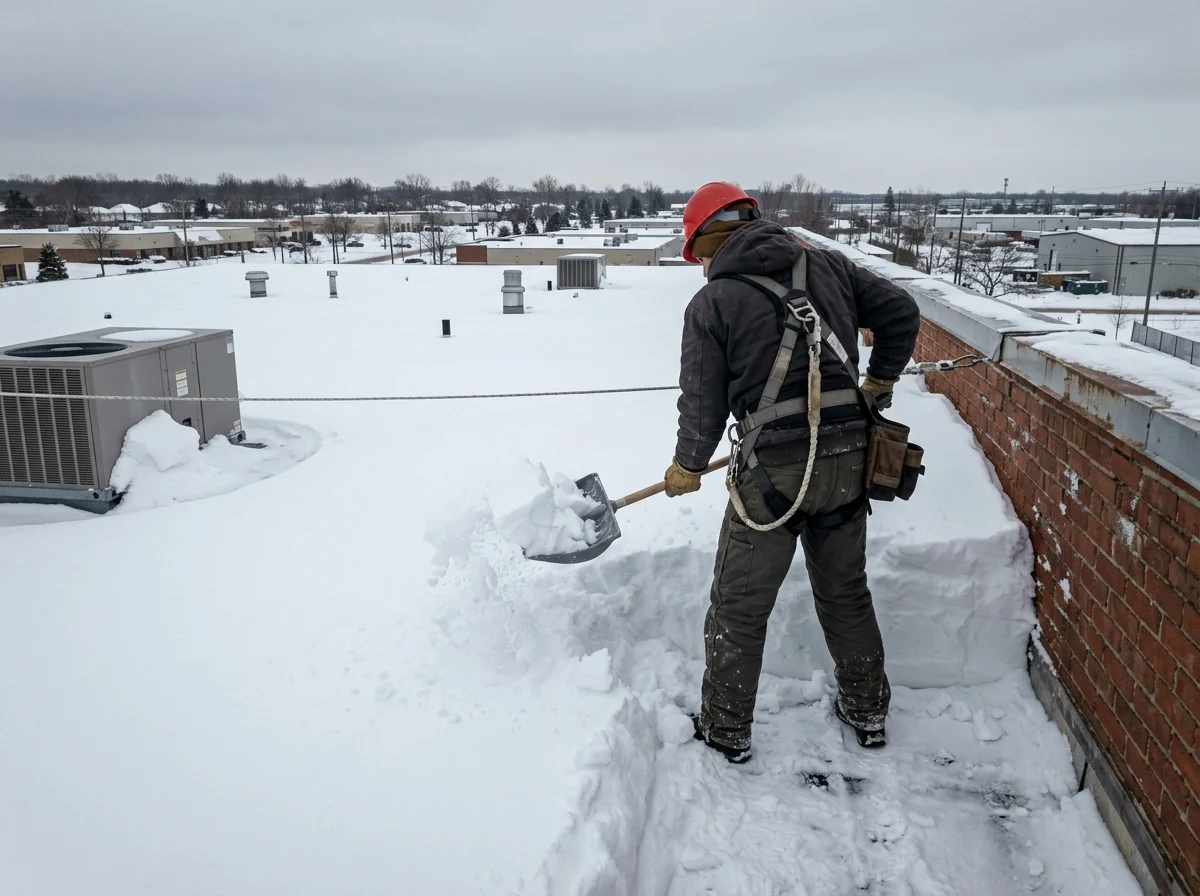
Detroit's normals add up to 45 inches of snow a season, and snow drifts deepest beside parapets and rooftop units. Ask that crews work by hand near the membrane and leave a thin layer on top: a shovel blade can cut a roof.
Skylights and Roof Hatches
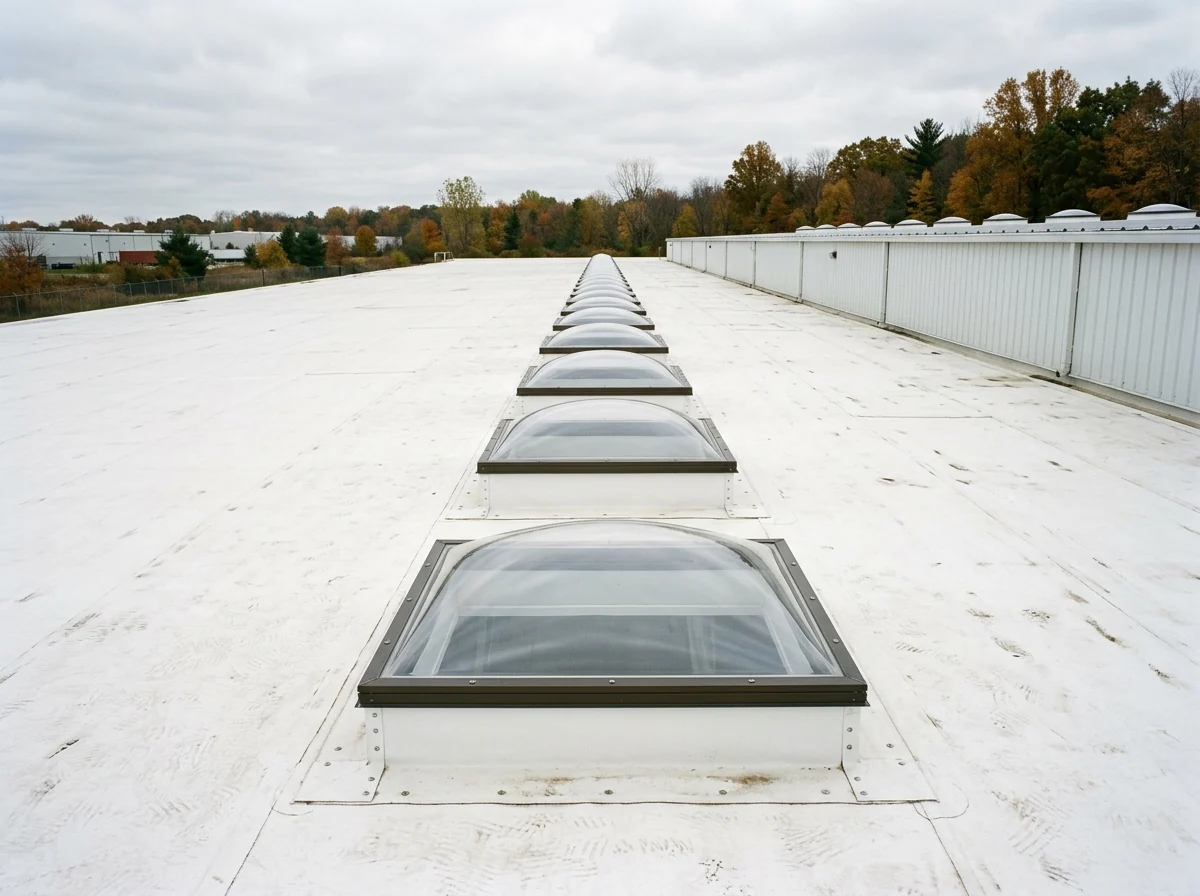
Skylight curbs and hatch frames are flashed into the membrane like any other penetration, and they leak like any other penetration. Replacing an old dome or hatch during a reroof costs less than coming back for it later.
Roof Drains, Gutters and Scuppers
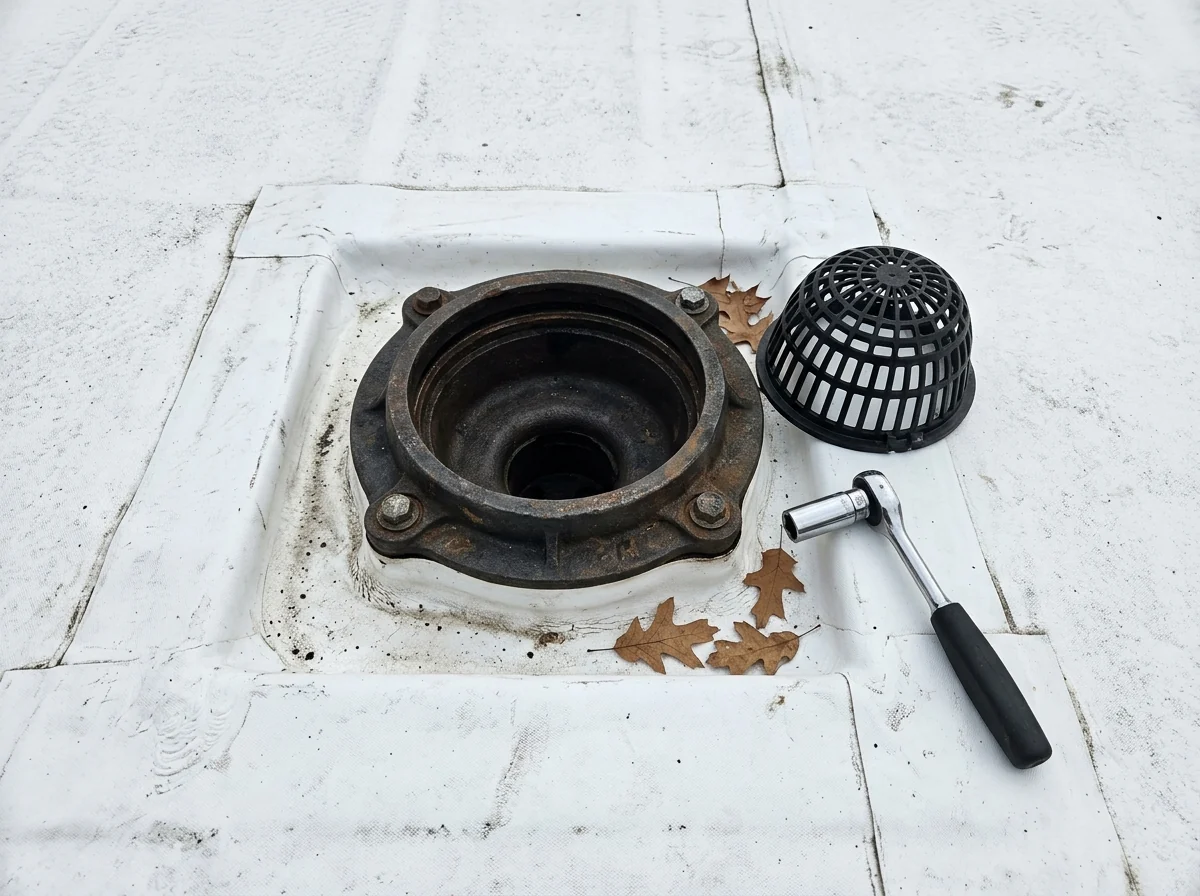
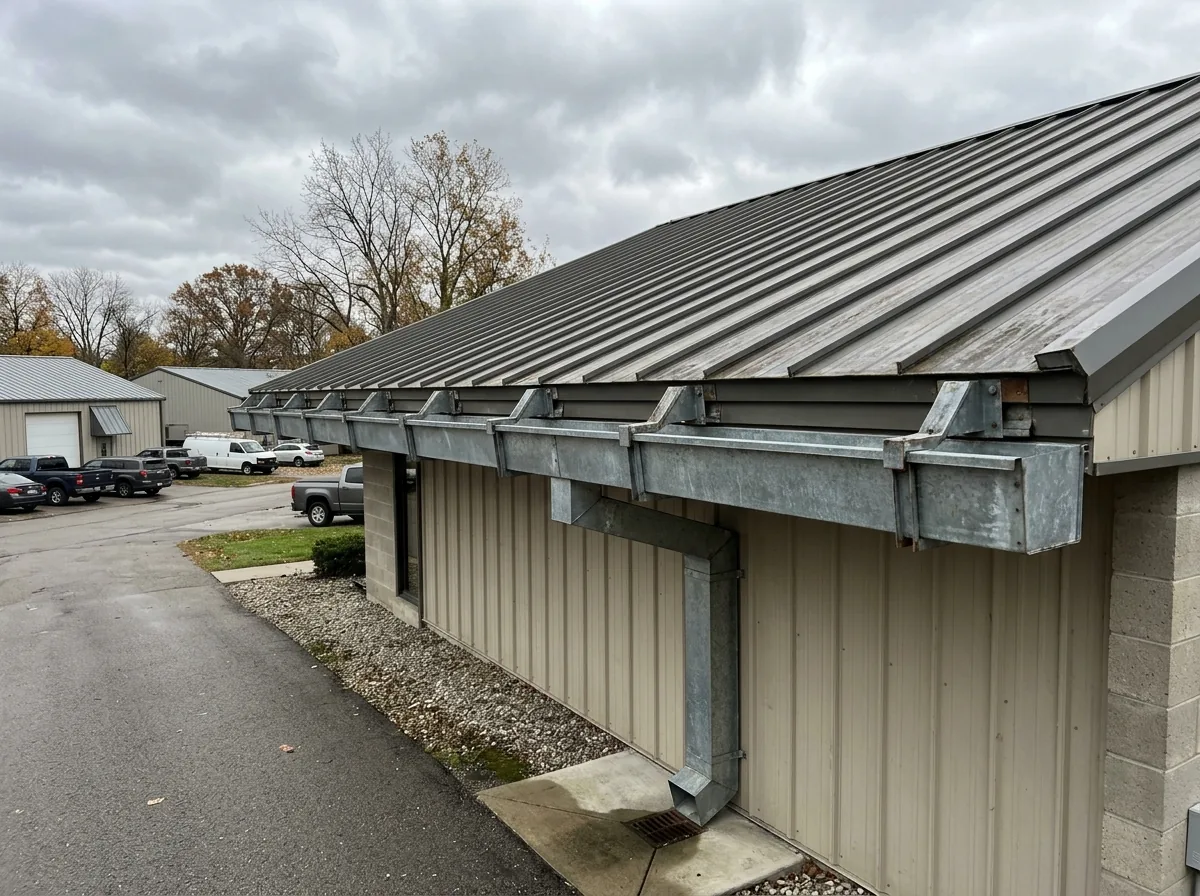
Where a parapet would trap water if a drain backs up, the code requires secondary overflow drains or scuppers, with scupper openings at least 4 inches. A reroof can't remove existing overflow drains unless they're replaced to code.
See Roof Drain Repair in Troy, MI and Commercial Gutters in Troy, MI.
Flashing, Parapet and Coping Repair
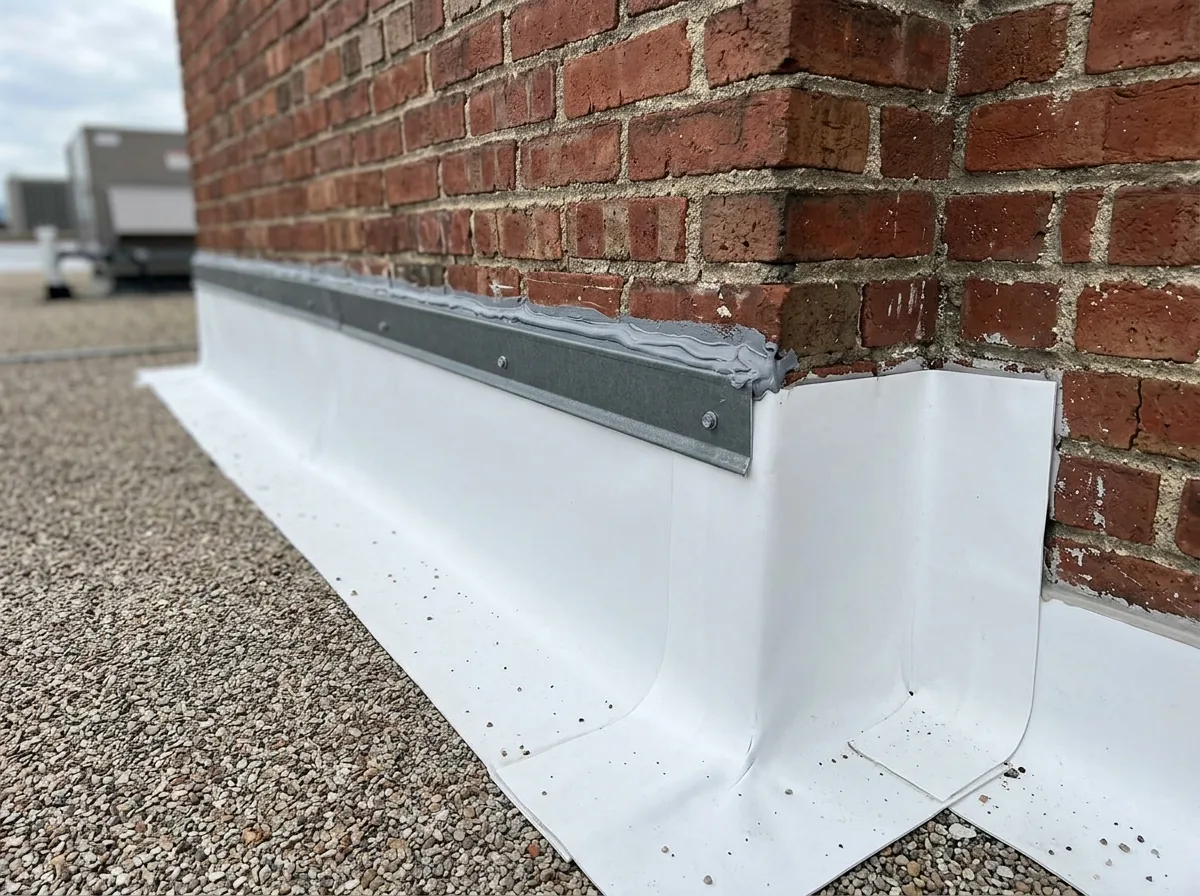
Edges are a common source of flat roof leaks: base flashing pulling away from parapet walls, open coping joints and loose counterflashing. The code bars reinstalling rusted or damaged flashing and edge metal during a reroof.
How a Commercial Roofing Project Works
- 1
Call or Send the Form
Tell us the building type, the roof system if you know it, rough roof size and whether it's a leak or a planned replacement. We pass the request to one independent local commercial roofer.
- 2
Roof Walk and Moisture Check
The roofer walks the roof, looks at drains, flashings and curbs, and on a replacement or recover question, takes cores or a moisture survey to see whether the insulation is dry.
- 3
Written Scope and Options
You get a written scope: tear-off or recover, system and thickness, insulation, drain and edge work, and price. Ask for options side by side when more than one system fits.
- 4
Permit and Schedule
Commercial roofing permits in Troy are filed online through BS&A, and the permit board has to be posted on site. The schedule is set around tenants, weather and deliveries.
- 5
Installation and Safety
On a low-slope roof 6 feet or more above the ground, OSHA requires fall protection: guardrails, nets, personal fall arrest, or warning lines set at least 6 feet back from the edge combined with one of those or a safety monitor.
- 6
Closeout and Records
At the end, ask for the final inspection sign-off, the manufacturer's warranty documents if one applies, and photos of the finished details. Keep them with your maintenance records.
Commercial Roof Replacement Cost in Troy
A commercial flat roof usually runs about $4 to $11 per square foot installed, according to HomeGuide's national estimate, with tear-off and disposal adding roughly $1 to $2 per square foot. Coatings cost less, $0.50 to $4.50 per square foot depending on chemistry. A written local quote is the only real number.
HomeGuide's installed ranges by system:
Built-up (BUR)
$3.50 to $7.50 per sq ft.EPDM
$3.50 to $10.00 per sq ft.TPO
$4.00 to $10.00 per sq ft.Modified bitumen
$4.00 to $7.50 per sq ft.PVC
$5.00 to $12.00 per sq ft.Metal
$5.00 to $16.00 per sq ft.
What moves a quote most: whether the old roof must come off, how much insulation the energy code requires on tear-off, wet or rusted deck that has to be replaced, new drains or tapered insulation, crane access and how many rooftop units have to be lifted or reflashed. A cool, reflective surface on some materials adds about $1 per square foot, by DOE's estimate.
Things to Know Before Hiring a Commercial Roofer in Troy
The current codes
Troy enforces the 2021 Michigan Building Code (since April 9, 2025) and the 2021 Michigan Energy Code (since April 22, 2025) for commercial work.The permit
The Troy Building Department at City Hall, 500 W. Big Beaver Road, is paperless; non-residential applications can call for plans sealed by a Michigan registered architect. Inspection requests go to 248-689-5744.Tear-off or recover
No recover over two existing roofs or over wet or deteriorated roofing. Ask for core results in writing before you accept a recover bid.Insulation on tear-off
A replacement can't lower the roof's R-value, and the new roof must meet current insulation levels. Make sure the bid includes it.Warranty paperwork
Manufacturer warranties and the roofer's workmanship warranty are separate documents with separate terms. Read both before signing.Insurance certificates
Ask for current liability and workers' compensation certificates naming your building or management company.Fall protection on site
Warning lines, guardrails or a safety monitor are an OSHA requirement on low-slope roofs, not an extra.Tax treatment
IRS Publication 946 lets an owner elect section 179 for roofs on nonresidential buildings placed in service after the building. Talk to your tax adviser.Weather windows
May is Detroit's wettest month, and from December through March daytime thaw and overnight freeze work on seams and drains. Adhesives, coatings and foam all have temperature limits, so ask how the schedule handles them.
Commercial Roofing Service Area
Troy Commercial Roofing takes requests from building owners, property managers and facility teams across Troy, Michigan, the largest city in Oakland County: the office towers and business parks along Big Beaver Road, the engineering, research and manufacturing buildings, and the retail centers, schools, churches and apartment communities in between.